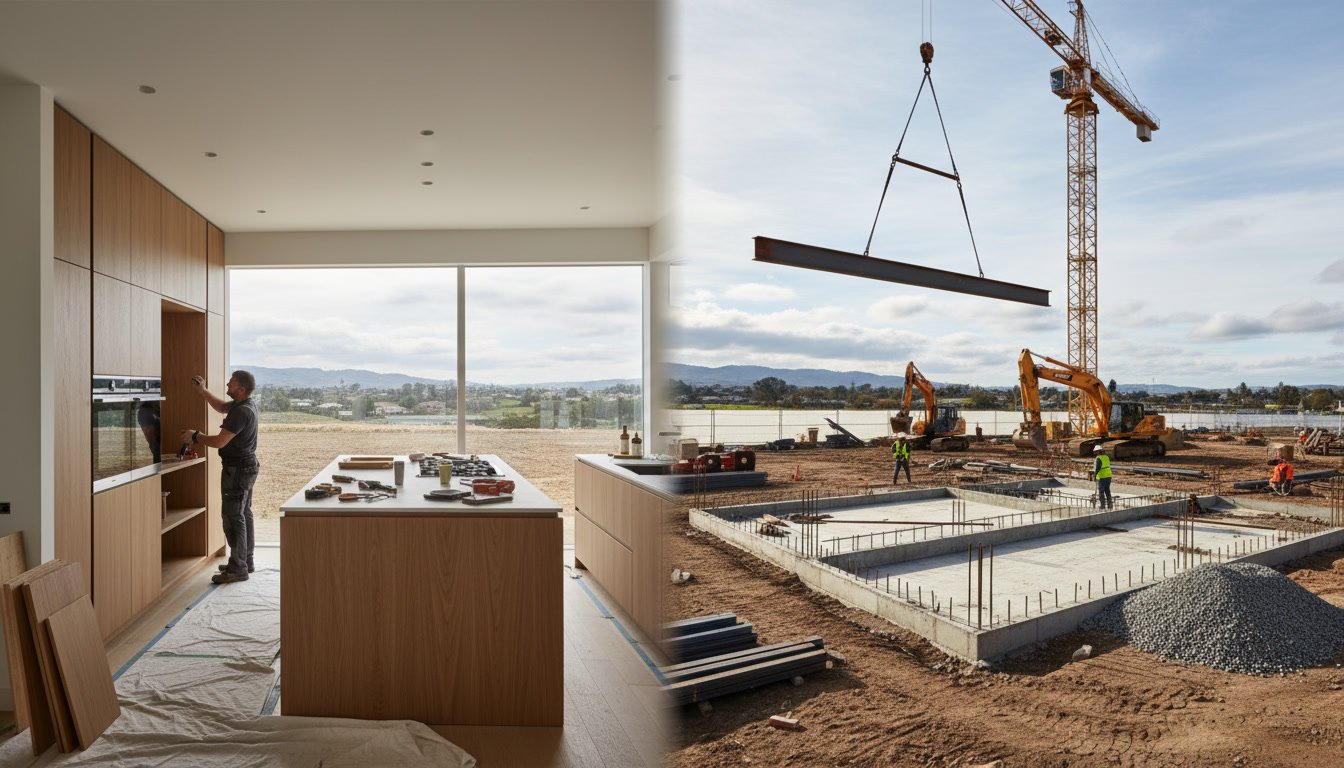
Remodeling services vs construction represents more than a semantic difference. Remodeling works within your existing structure to update, improve, or reconfigure spaces, while new construction starts from the ground up or adds entirely new square footage. The choice between these two approaches affects your budget, timeline, permitting requirements, and the scope of design changes you can make. Selecting the correct path ensures your project proceeds smoothly and delivers the results you expect.
Why the Distinction Between Remodeling and New Construction Matters
Many homeowners assume any significant home improvement falls under one broad category. In reality, the structural approach determines every downstream decision. Remodeling preserves the footprint and foundation of your home while transforming its interior or exterior features. New construction either builds an addition that expands your footprint or erects a structure from scratch. This fundamental difference influences engineering requirements, contractor expertise, material costs, and municipal approval processes.
Choosing the wrong category for your project can lead to budget overruns, extended timelines, and disappointing results. A contractor experienced in new builds may lack the problem-solving skills required to work around existing plumbing and electrical systems. Conversely, a remodeling specialist may not have the engineering resources to design and build a structurally sound addition. Understanding which service your project requires helps you select the right team from the start.
What Defines Remodeling Services
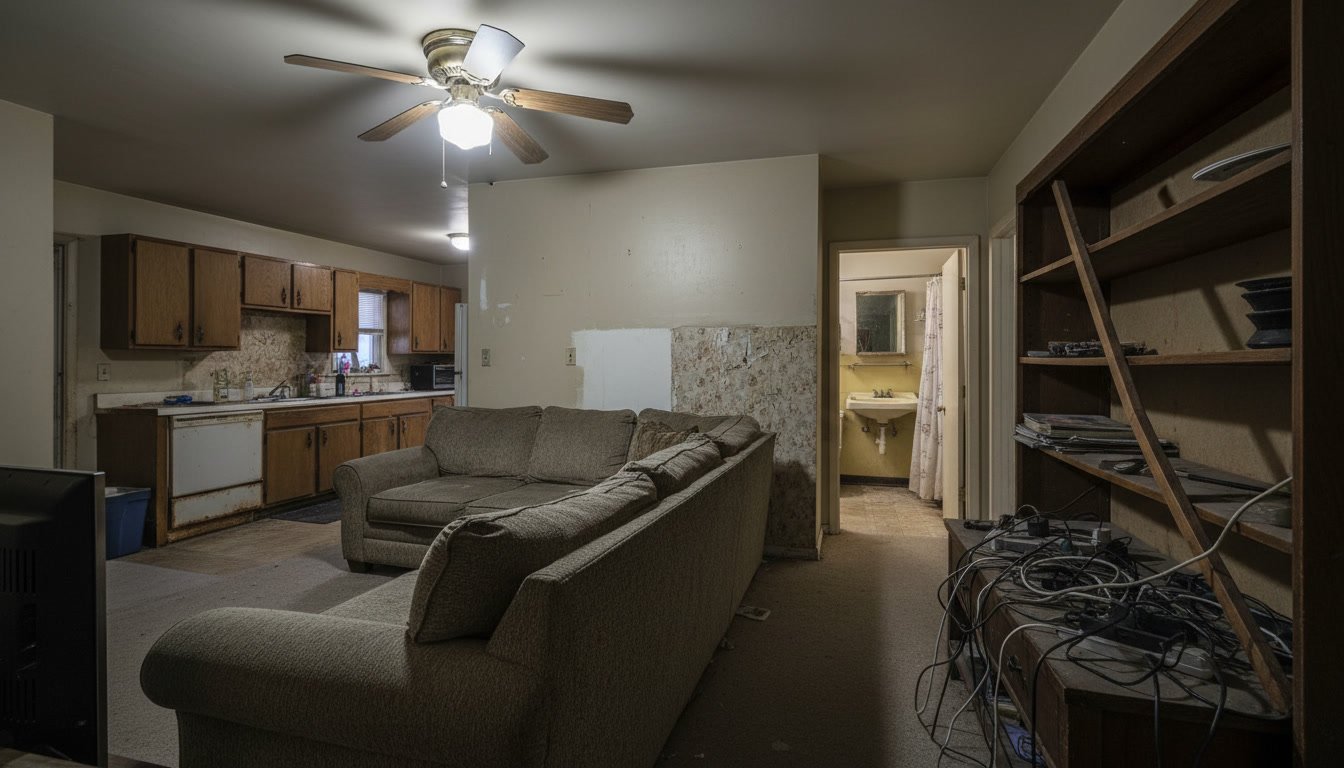
Remodeling transforms existing spaces without changing the overall square footage of your home. When you update a kitchen, reconfigure a bathroom, or open up walls between rooms, you engage in remodeling. The work occurs within your current floor plan, even if you move walls, update systems, or completely gut the interior. Structural elements like the foundation, exterior walls, and roof remain largely intact.
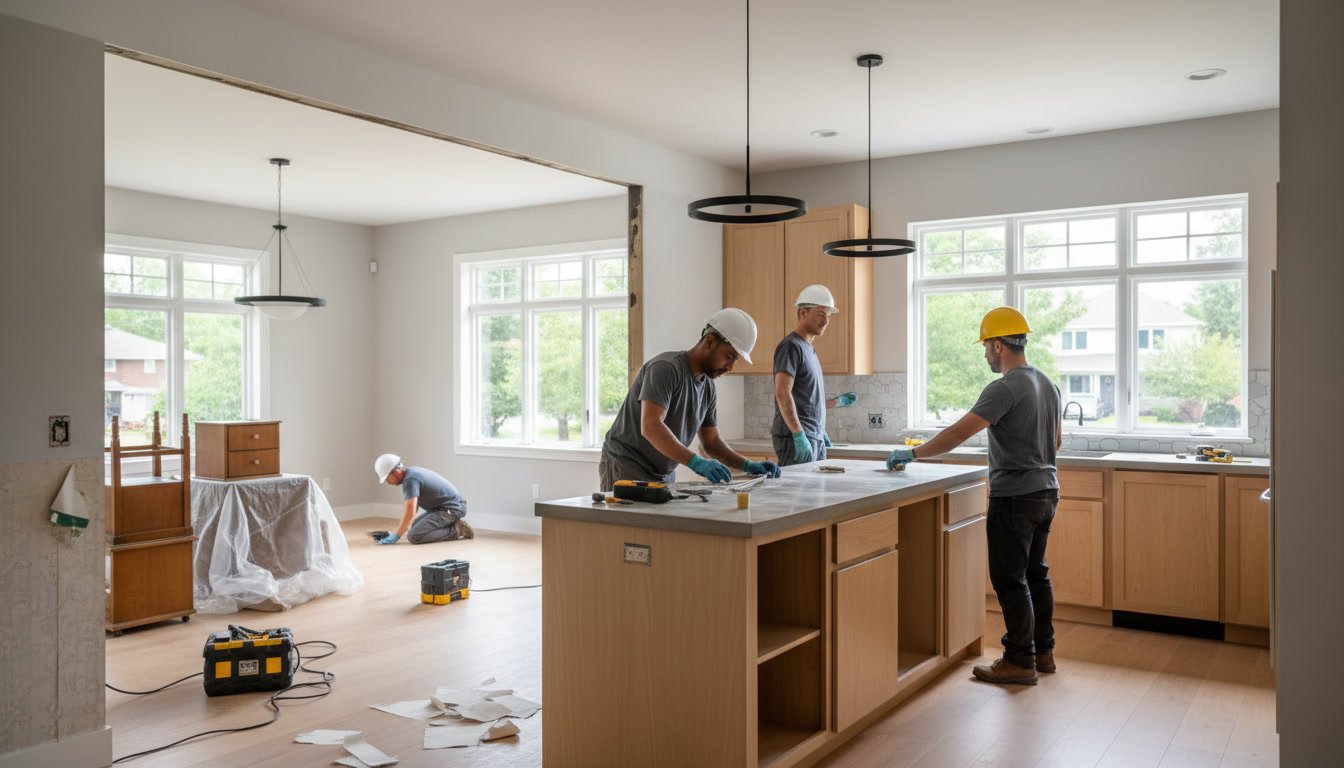
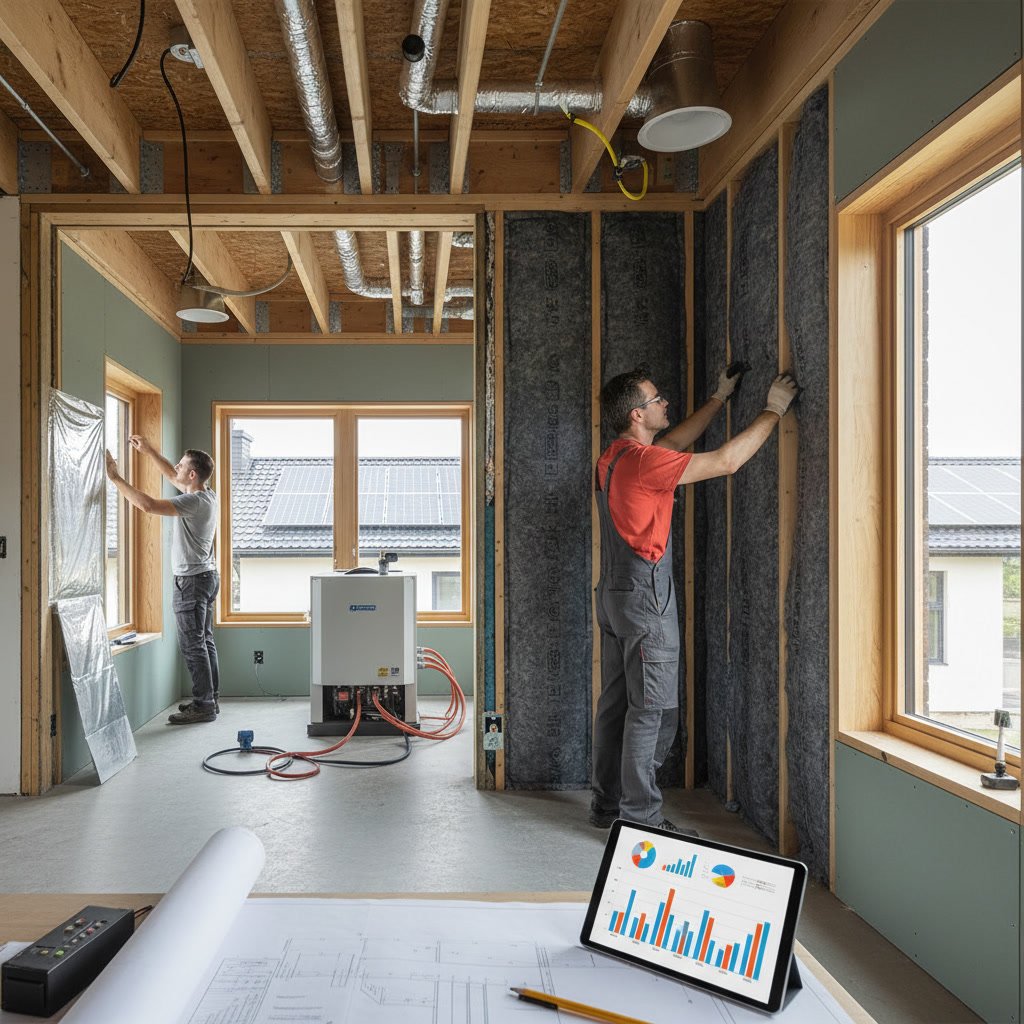
These projects typically involve demolition of finishes, potential reconfiguration of interior walls, updates to mechanical systems, and installation of new fixtures and finishes. The complexity ranges from cosmetic updates like paint and flooring to comprehensive overhauls that change room layouts and upgrade all systems. Remodeling requires working around existing infrastructure, which often presents challenges like outdated wiring, hidden plumbing issues, or structural surprises uncovered during demolition.
What Defines New Construction Projects
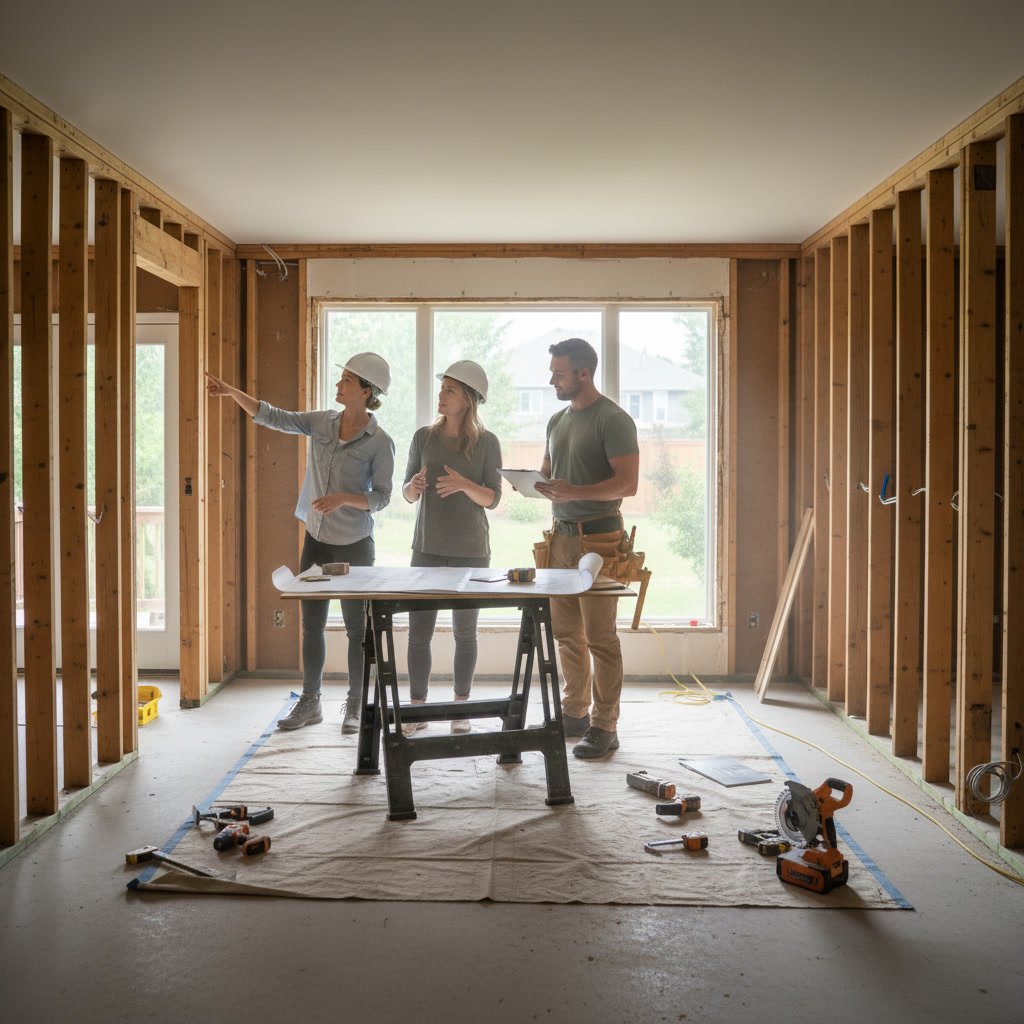
New construction includes building additions that expand your home’s footprint or constructing an entirely new structure. Adding a second story, extending a room outward, building a detached garage, or constructing a new home all qualify as new construction. These projects require new foundations, framing, roofing, and often separate utility connections. The work starts with engineering and architectural plans that must satisfy structural and zoning requirements.
Unlike remodeling, new construction offers nearly unlimited design freedom since you’re not constrained by existing walls, systems, or layouts. However, this flexibility comes with higher costs, longer timelines, and more complex permitting. New construction must meet current building codes in their entirety, while remodeling projects often grandfather in existing conditions that don’t meet current standards, requiring updates only to the areas being modified.
Key Differences That Impact Your Project in Allen
Several practical distinctions separate these two approaches. Budget represents the most immediate concern for most homeowners. New construction typically costs more per square foot because it requires complete systems, structural work from foundation to roof, and exterior finishes. Remodeling leverages your existing structure, reducing material and labor costs, though working around existing conditions can introduce unexpected expenses.
Timeline differences are significant. New construction projects require foundation curing time, framing inspections, and sequential installation of all building systems. Weather can halt exterior work. Remodeling projects proceed faster in many cases because the envelope already exists, though discoveries during demolition can extend schedules. Permitting timelines also differ, with additions and new structures requiring more extensive plan review and inspection schedules than interior remodeling services.
When Your Project Needs Remodeling Services
Several scenarios point clearly toward remodeling. If your home’s layout doesn’t suit your lifestyle but you have adequate square footage, reconfiguring interior spaces makes more sense than adding on. Outdated kitchens and bathrooms benefit enormously from remodeling that updates fixtures, finishes, and layouts within the existing footprint. Homes with good bones but poor aesthetics or inefficient room arrangements are ideal remodeling candidates.
Remodeling also makes sense when zoning restrictions limit additions, when your lot lacks space for expansion, or when you want to preserve your home’s exterior character while modernizing the interior. Budget constraints often favor remodeling since you avoid the cost of new foundations, roofing, and exterior walls. Many homeowners discover that understanding what is included in a full house remodel helps them realize their needs can be met without new construction.
When Your Project Requires New Construction
New construction becomes necessary when you genuinely need more space and remodeling cannot deliver it. Growing families that have exhausted their existing square footage, homeowners who need dedicated spaces like home offices or workshops, and properties where the existing structure cannot accommodate needed functions all require construction services. Adding a room, building a second story, or constructing a garage or workshop falls into this category.
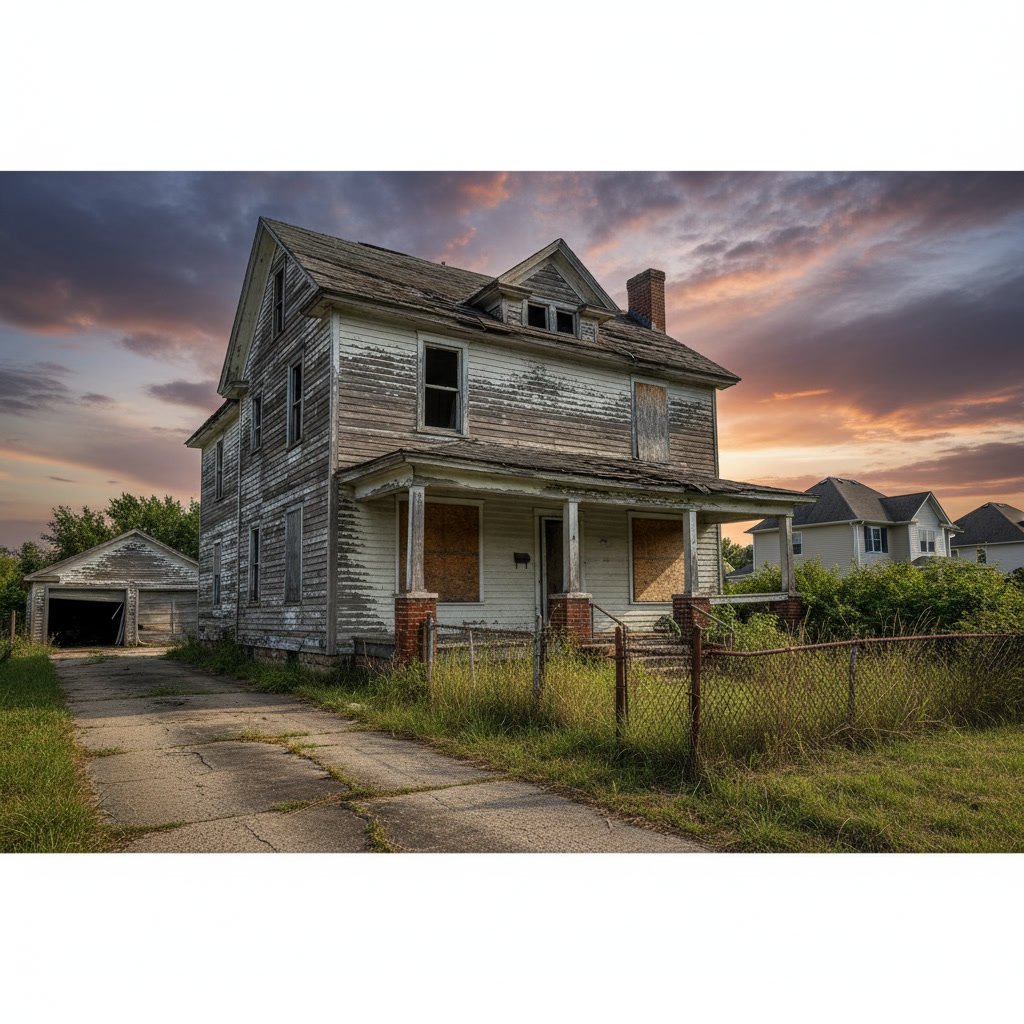
Structural damage that compromises the foundation or framing may also necessitate new construction rather than remodeling. If engineering assessments reveal that the existing structure cannot safely support your desired changes, building new becomes the only viable path. Similarly, if your remodeling wish list requires moving so many walls and systems that little of the original structure remains, new construction may prove more cost-effective and result in a better product.
Hybrid Projects That Combine Both Approaches
Many comprehensive home improvements blend remodeling and construction. You might add a master suite while simultaneously remodeling the existing bedrooms and bathrooms. Or you could build a new garage while renovating the kitchen and living areas. These hybrid projects require contractors skilled in both disciplines and careful sequencing to manage the different work streams efficiently.
David Dedia Construction handles these complex projects by coordinating the construction and remodeling phases to minimize disruption and maximize efficiency. The construction portion typically proceeds first, establishing the new footprint and bringing the addition to a weather-tight state. Remodeling work then proceeds simultaneously or sequentially, depending on the project specifics. This approach requires careful planning to avoid duplicate efforts and ensure mechanical systems integrate properly across old and new spaces.
Budget and Timeline Considerations for Each Approach
Remodeling projects in similar scope typically cost 30 to 50 percent less than new construction for equivalent finished space. A 200-square-foot kitchen remodel might range from $30,000 to $70,000 depending on finishes and structural changes, while a 200-square-foot addition could easily exceed $100,000 when you account for foundation, framing, roofing, siding, windows, and interior finishes. However, these generalizations vary based on specific conditions and the extent of work required.
Timeline advantages favor remodeling for similar reasons. A comprehensive house remodeling project might take eight to 16 weeks, while new construction additions often require four to nine months from design through completion. Weather impacts differ as well. Interior remodeling proceeds year-round with minimal weather delays, while new construction faces potential slowdowns during foundation work, framing, and roofing installation.
Permitting and Code Compliance Differences
Permit requirements separate these two approaches significantly. Interior remodeling that doesn’t alter the footprint or structural elements often requires only basic permits for electrical, plumbing, and mechanical work. Some cosmetic updates may not require permits at all, though this varies by jurisdiction. New construction always requires comprehensive permits including site plans, structural engineering, and multiple inspection stages from foundation through final occupancy.
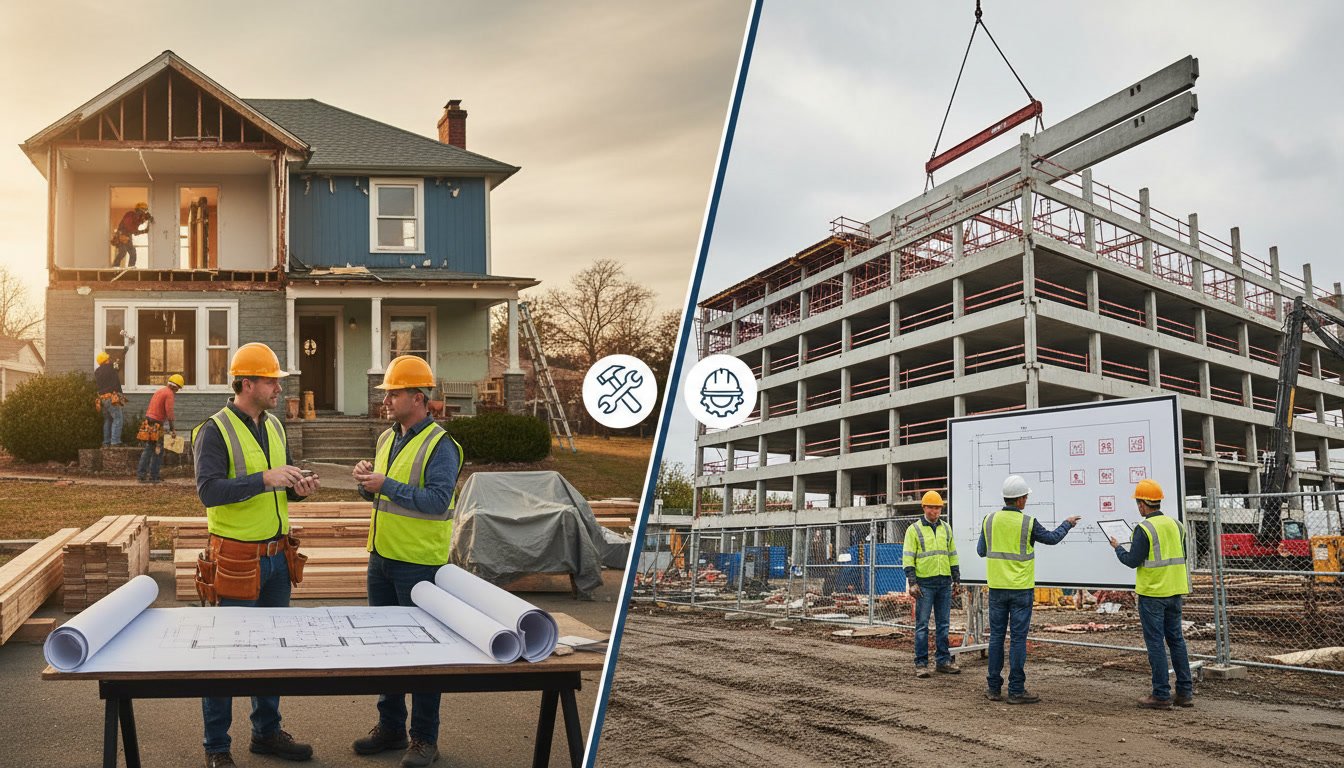
Code compliance rules also differ. Existing homes undergoing remodeling typically need to bring only the modified areas up to current code, though some jurisdictions trigger broader compliance requirements once renovation costs exceed a certain percentage of home value. New construction must meet all current codes without exception. This difference can significantly impact project scope. An outdated electrical panel might serve adequately for a bathroom remodel but would require upgrading for a new addition that adds substantial electrical load.
Choosing the Right Contractor for Your Project Type
Contractor expertise matters more than many homeowners realize. Specialists in construction services excel at engineering, foundation work, framing, and building envelope details. They understand how to design and execute structurally sound additions that integrate seamlessly with existing homes. Remodeling specialists bring different strengths: creative problem-solving around existing constraints, experience with demolition and protection of occupied spaces, and expertise in updating old systems while preserving what works.
The best contractors handle both disciplines competently. When evaluating contractors, ask about their experience with your specific project type. Request examples of similar work, not just general portfolios. A contractor with extensive new construction experience but limited remodeling background may struggle with the unexpected conditions typical in older homes. Conversely, a remodeling expert may lack the engineering resources and structural expertise required for a complex addition.
Making the Right Choice for Your Home Investment
The decision between remodeling services and new construction ultimately depends on your specific needs, budget, timeline, and property constraints. Start by clearly defining your goals. Do you need more space, or do you need better space? Can reconfiguring existing rooms solve your problems, or do you genuinely require additional square footage? Honest answers to these questions point you toward the right approach.
Consider your budget realistically, accounting for the higher costs associated with new construction. Evaluate your timeline and how long you can tolerate disruption. Assess your property for zoning restrictions, lot line setbacks, and physical constraints that might limit additions. Factor in your long-term plans. If you intend to stay in your home for many years, the investment in either approach makes sense. If you plan to sell soon, remodeling often delivers better return on investment than additions, which may not appraise at full construction cost.
Whether your project requires comprehensive remodeling or new construction, partnering with an experienced team ensures the work proceeds smoothly and delivers lasting results. David Dedia Construction brings expertise in both disciplines, helping homeowners throughout the region select and execute the right approach for their unique needs. Reach out at +12149459120 to discuss your project and determine which path delivers the results you want within your budget and timeline.