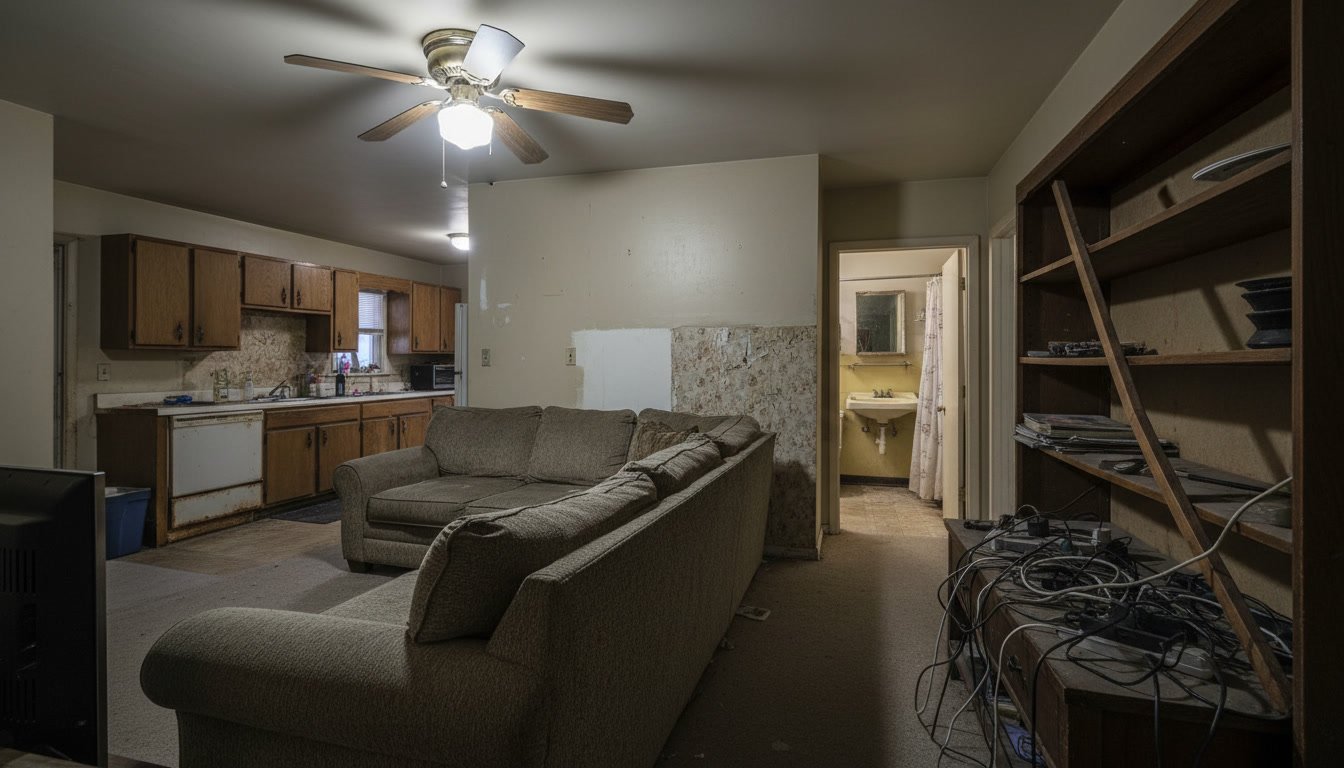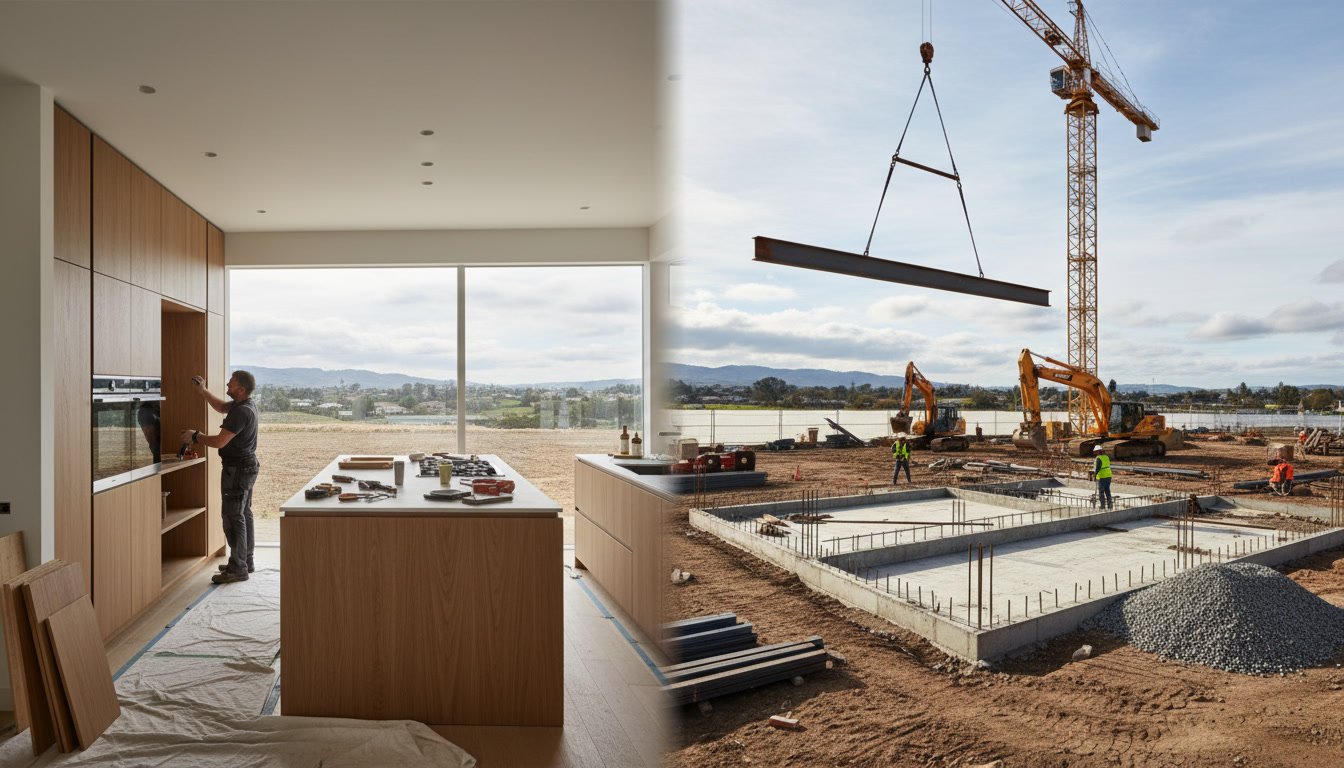

When planning home improvements, homeowners face a critical decision between tackling a partial house remodel or renovating one room at a time. Understanding which house remodel approach delivers better value requires examining project timelines, contractor availability, total costs, and how your family lives during construction. The right strategy depends on your budget flexibility, disruption tolerance, and whether adjacent spaces share plumbing, electrical, or structural systems.
Most contractors agree that bundling related projects typically costs 15 to 25 percent less than spreading identical work across multiple phases. Yet the room-by-room method offers breathing room for budget recovery and lets you test a contractor’s quality before committing to larger scope.
Why Renovation Strategy Matters More Than Most Homeowners Realize
Your renovation sequence affects far more than inconvenience. It determines permit costs, material waste, contractor scheduling, and whether you pay mobilization fees multiple times. A poorly planned sequence can double your timeline or leave you with mismatched finishes when product lines change between phases.
Structural dependencies create natural groupings. If your kitchen and bathroom share a plumbing wall, separating those projects often means reopening finished walls, repairing drywall twice, and repainting the same surfaces in different years. Electrical panel upgrades needed for a kitchen remodel serve the whole house, making it wasteful to delay other rooms that would benefit from new circuits.
What a Partial House Remodel Actually Includes
A partial remodel tackles multiple connected spaces or systems in one continuous project. Common combinations include kitchen plus adjacent dining room, master suite plus hallway bathroom, or all first-floor living areas. The defining feature is a single contract, one permit set, and overlapping trade schedules.

This strategy works best when rooms share infrastructure or when finishes need visual continuity. Flooring installations demonstrate the advantage clearly: running hardwood through four rooms at once costs significantly less per square foot than installing the same material in four separate projects, because delivery fees, equipment rental, and acclimation time happen just once.
How the Room-by-Room Method Changes Your Timeline in Allen
Renovating one space at a time stretches your total project across months or years but confines active construction to smaller windows. You might complete a guest bathroom in three weeks, recover financially for six months, then tackle the kitchen in Allen over two months the following spring.
This cadence suits homeowners with tighter monthly cash flow or those who need to maintain normal household routines. Families with young children, remote workers with video calls, or anyone hosting elderly relatives often find the contained disruption worth the extended overall timeline.
Comparing True Costs: Line Item Breakdown
Material procurement drives significant cost differences. Contractors ordering cabinets, countertops, tile, and fixtures for three rooms simultaneously often negotiate 10 to 18 percent discounts that vanish when placing separate orders months apart. Lumber packages, drywall pallets, and paint quantities all price more favorably at higher volumes.
Labor costs shift dramatically too. Electricians charge trip fees and minimum hours. Calling them back three separate times to wire three bathrooms costs far more than wiring all three during one visit. Plumbers face the same economics. Even drywall finishers price multi-room projects lower because they eliminate setup and breakdown time between phases.
Permit fees in most municipalities cover scope, not timing. Pulling three separate permits for three bathrooms costs two to three times what one permit covering all three would cost. Inspection fees multiply the same way.
Four Scenarios Where Partial Remodels Save More
Certain situations make bundled projects the clear winner. First, when you know multiple spaces need work and your budget can cover the combined scope, economies of scale deliver immediate returns. Second, if you are addressing structural issues like foundation settling, outdated electrical panels, or failing HVAC systems, spreading related work across years leaves problems partially solved and wastes remediation effort.
Third, when resale timing matters. Buyers notice cohesive updates, and homes with freshly remodeled kitchens but outdated adjacent spaces send mixed signals about maintenance quality. Fourth, if you secure favorable financing rates or contractor availability during a slow season, locking in those advantages for broader scope maximizes value.

Understanding what gets included in comprehensive remodels helps identify which spaces benefit most from combined treatment. Systems-level thinking separates experienced contractors from those who simply execute task lists.
When Room-by-Room Makes Financial Sense
Sequential renovations shine when your immediate budget only covers one space comfortably. Forcing a larger project with inadequate reserves invites compromise on materials, finishes, or contractor quality. Better to complete one bathroom beautifully than three with builder-grade shortcuts.
Testing contractor performance on a smaller scope before expanding commitment protects you from costly mistakes. A kitchen represents significant investment. Seeing how a contractor handles a simpler bathroom first, observing their communication, cleanup habits, and problem-solving under pressure, provides invaluable information.
If your home’s condition varies dramatically by room, prioritizing the worst spaces first while deferring less urgent areas makes practical sense. The master bath with water damage needs immediate attention. The guest bath that functions fine can wait.
Hidden Costs That Appear in Sequential Projects
Mobilization fees often surprise homeowners choosing phased work. Contractors charge for bringing crews, tools, and equipment to your site. Paying that fee three times instead of once adds thousands to your total. Material waste multiplies too. Partial boxes of tile, opened paint cans, and cut lumber from phase one rarely match phase two needs perfectly, leaving you buying duplicates.
Design consistency becomes harder to maintain across years. That perfect backsplash tile might be discontinued when you return for the kitchen two years after the bathroom. Grout colors shift between dye lots. Wood stain formulations change. Matching existing work perfectly often proves impossible, forcing you to redo finished spaces or accept visible differences.
Living through construction multiple times rather than once imposes its own cost. The stress, dust, noise, and routine disruption may not carry a price tag, but the cumulative impact on your family’s quality of life over three separate projects exceeds what you would endure during one consolidated effort.
How Contractors Schedule Multi-Room Projects Differently
Experienced teams sequence trades to minimize downtime and avoid redundant work. Demolition happens across all spaces first, then rough plumbing and electrical follow in logical order. Inspection points cluster, and finish trades like cabinetry, tile, and trim move through the home in efficient waves.

This choreography only works with proper planning. Contractors who excel at house remodeling projects build detailed schedules showing which trades work where on which days, managing material deliveries to arrive just before installation, and coordinating inspections to keep momentum.
Single-room projects lack this complexity but require tighter site protection. Containing dust and noise to one bathroom while the rest of your home remains livable demands extra masking, air filtration, and cleanup that multi-room projects already need anyway.
What to Ask Before Choosing Your Strategy
Start by identifying your true budget ceiling, not just available cash today. If financing options let you afford partial scope comfortably but sequential rooms require stretching payments across years, calculate the total interest paid under each scenario.
Evaluate your disruption tolerance honestly. Can your household function with the kitchen unusable for eight weeks? Does bathroom access matter more than speed? Will you stay in the home or relocate temporarily, and what does temporary housing cost?
Ask contractors for itemized bids showing both approaches. Request separate pricing for each room individually and for all rooms combined. The difference reveals your actual savings potential. Some contractors prefer larger projects and price aggressively to win them. Others specialize in quick turnarounds on smaller jobs.
Consider how your home’s systems integrate. Older homes with galvanized plumbing, knob-and-tube wiring, or outdated HVAC often need foundational upgrades before cosmetic work makes sense. Addressing those systems piecemeal rarely succeeds.
Making the Decision That Fits Your Situation
No universal answer exists because every household faces different constraints. Budget availability, timeline flexibility, disruption tolerance, and property condition all influence which path delivers better outcomes. Homeowners with stable finances, clear vision for multiple spaces, and tolerance for concentrated disruption typically benefit from partial remodels. Those testing contractors, managing tighter cash flow, or prioritizing daily routine preservation often find room-by-room renovation more practical.
The worst mistake is choosing based solely on initial cost without calculating total expense across both approaches. Saving 20 percent on combined scope but paying over three years instead of saving nothing while paying over five years might actually cost more after considering inflation and foregone use of improved spaces.
Quality contractors provide honest assessments of which strategy suits your goals. They explain dependencies you might miss, flag opportunities for savings, and help you understand realistic timelines under each scenario. Their experience across dozens of similar projects gives them perspective individual homeowners lack.
Finding the Right Partner for Your Renovation Goals
Whether you proceed with partial scope or sequential rooms, the contractor you choose determines success more than the strategy itself. Look for teams with verifiable experience in your chosen approach, clear communication about scheduling and costs, and willingness to adapt as your project evolves.
Detailed contracts protect both parties. Specifications should list exact materials, define payment schedules tied to completion milestones, and establish procedures for handling changes or delays. Vague agreements invite disputes that derail even well-planned projects.
David Dedia Construction brings extensive experience helping homeowners in Allen and surrounding communities navigate these decisions. Our team provides transparent pricing for both partial and sequential approaches, helping you understand true costs and realistic timelines. We handle all aspects of remodeling services, coordinating trades efficiently whether your project involves one room or several.
Ready to discuss which renovation strategy fits your home and budget? David Dedia Construction serves Allen and nearby areas with professional remodeling solutions tailored to your timeline and goals. Call +12149459120 to schedule a consultation and receive detailed estimates for your project.