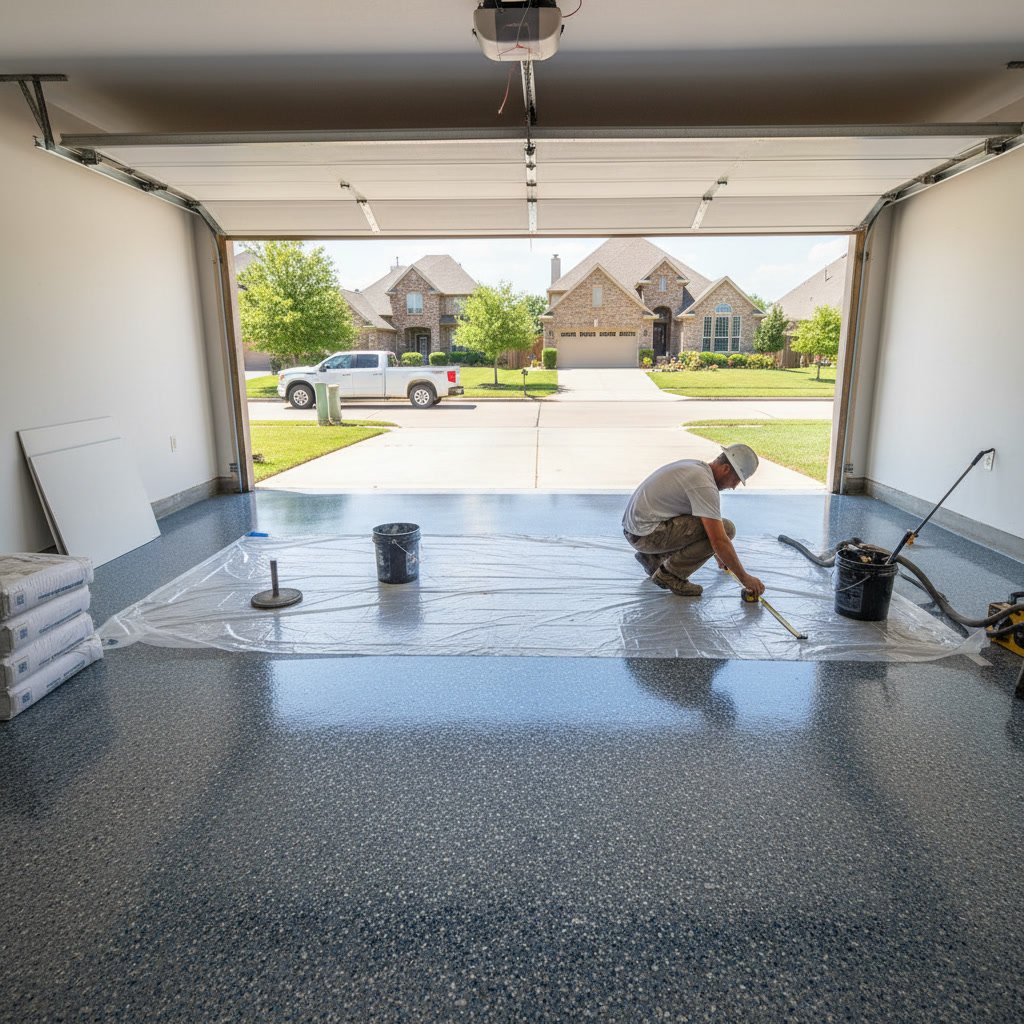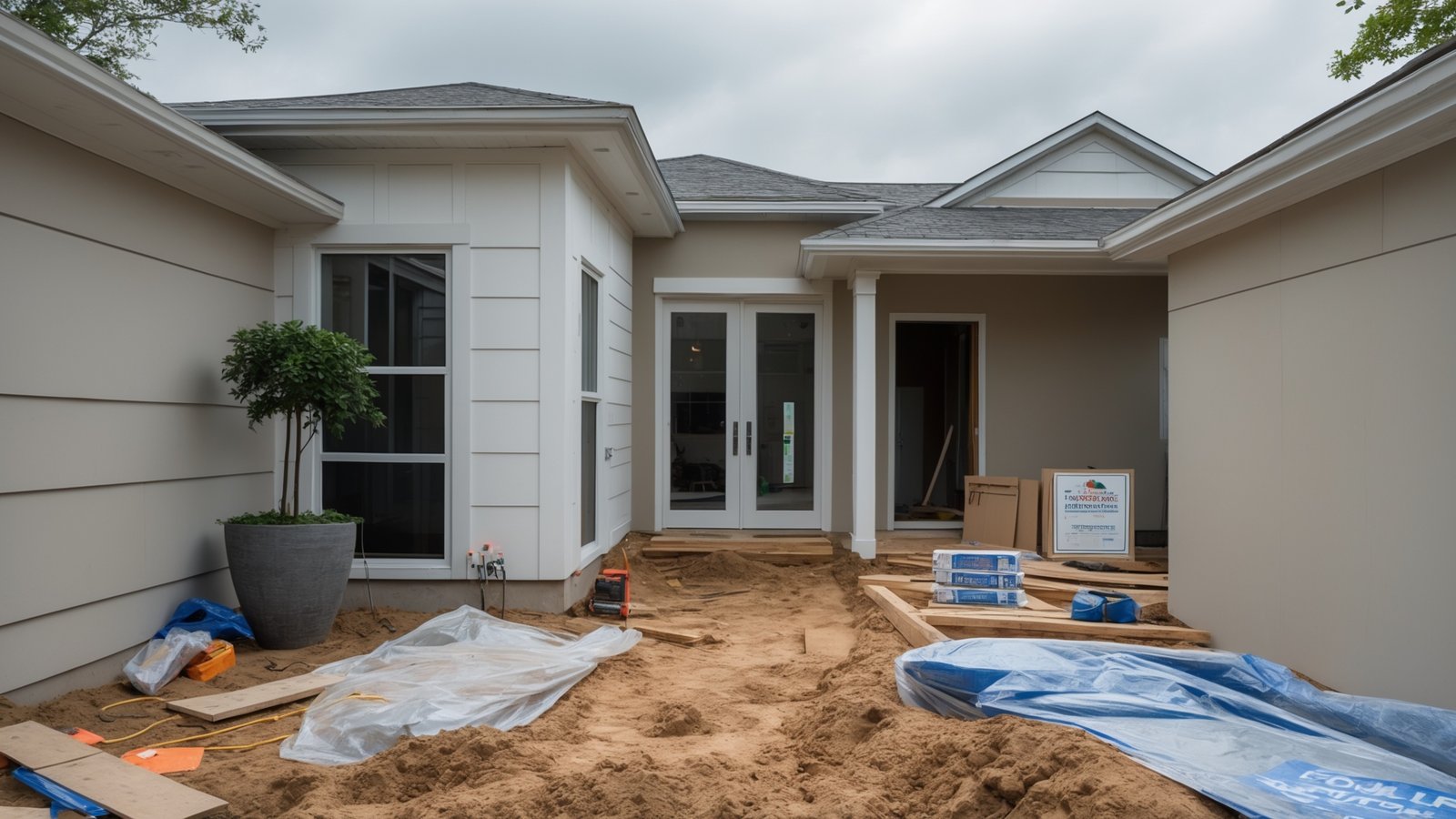
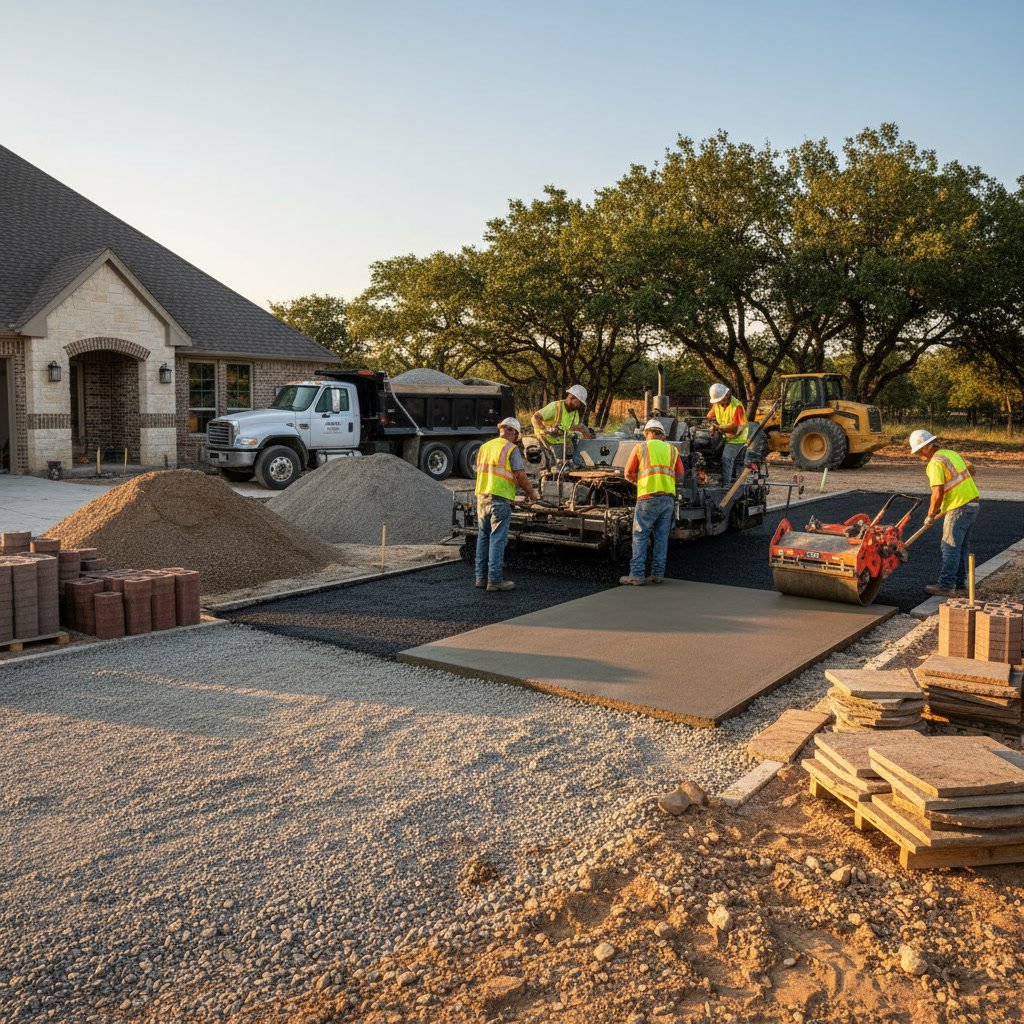
Your driveway endures constant pressure from vehicles, harsh Texas weather, and daily wear. Choosing the right material for driveway installation McKinney homeowners can rely on means balancing durability, cost, climate compatibility, and appearance. The wrong choice leads to cracking, fading, or expensive repairs within a few years. The right material provides decades of reliable service with minimal maintenance.
This guide breaks down the four most popular driveway materials for North Texas homes: concrete, asphalt, pavers, and gravel. You’ll learn how each performs in McKinney’s climate, what maintenance they require, their expected lifespan, and typical costs per square foot. By the end, you’ll know exactly which material suits your property and budget.
Concrete Driveways
Concrete remains the most popular choice for driveway installation McKinney properties for good reason. It handles extreme temperature swings better than most alternatives, withstands heavy loads, and lasts 30 to 40 years with proper installation.
Standard concrete costs between $6 and $10 per square foot installed. For a typical two-car driveway measuring 400 square feet, expect to pay $2,400 to $4,000. Decorative finishes like stamped patterns, colored concrete, or exposed aggregate add $2 to $8 per square foot.
McKinney’s clay-heavy soil expands and contracts with moisture changes. Proper base preparation with 4 to 6 inches of compacted gravel prevents shifting that causes cracks. Control joints cut every 8 to 10 feet allow the concrete to expand without cracking.
Pros of Concrete
Concrete reflects heat rather than absorbing it, keeping surface temperatures 10 to 15 degrees cooler than asphalt in summer. This makes barefoot trips to the car more comfortable and reduces the urban heat island effect around your home.
You can customize concrete with stamped patterns that mimic brick, stone, or slate. Color options range from earth tones to grays and reds. These decorative treatments cost less than natural stone but deliver similar visual appeal.
Maintenance requirements stay minimal. Seal the surface every two to three years to prevent moisture penetration and staining. Pressure wash annually to remove dirt and mildew. Small cracks can be filled with concrete caulk before they spread.
Cons of Concrete
Concrete takes seven days to cure before you can drive on it. Full strength develops over 28 days. This extended timeline may inconvenience households that need immediate driveway access.
Salt and de-icing chemicals damage concrete surfaces. While McKinney rarely sees significant ice, occasional winter storms may tempt you to use these products. Stick to sand or kitty litter for traction instead.
Cracks eventually appear despite best efforts. Tree roots, soil settlement, and freeze-thaw cycles all contribute. Once a crack forms, water seeps in and accelerates deterioration.
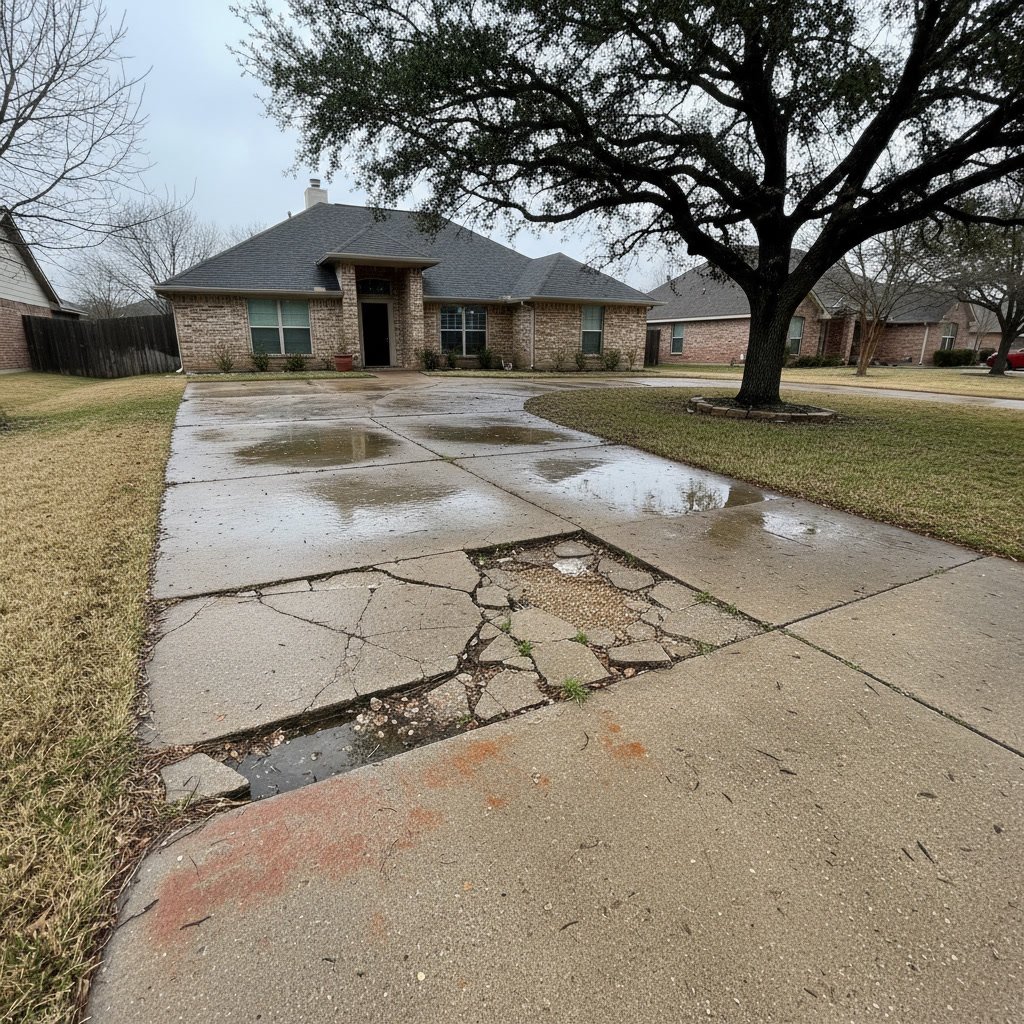
Asphalt Driveways
Asphalt provides a smooth, dark surface that many homeowners prefer aesthetically. It costs less than concrete upfront, making it attractive for budget-conscious projects. Professional installation takes one to two days, and you can drive on it within 24 to 48 hours.
Expect to pay $3 to $7 per square foot for asphalt driveway installation McKinney contractors install. That same 400-square-foot driveway runs $1,200 to $2,800. The lower initial cost comes with trade-offs in longevity and maintenance.
Asphalt lasts 15 to 20 years with diligent maintenance. McKinney’s hot summers soften asphalt, making it vulnerable to tire ruts and impressions from heavy vehicles or sharp objects like kickstands. Surface temperatures can exceed 140 degrees on July afternoons.
Advantages of Asphalt
Asphalt’s flexibility allows it to expand and contract with temperature changes without cracking as readily as concrete. Small cracks self-heal in warm weather as the asphalt softens and flows back together.
Repairs cost less and blend better than concrete patches. You can fill potholes or resurface worn sections without obvious color mismatches. The dark surface hides oil stains and tire marks better than light-colored concrete.
Installation happens faster than concrete, minimizing disruption to your household. The quicker cure time means less coordination with family schedules and daily routines.
Drawbacks of Asphalt
Asphalt demands more maintenance. Seal coating every two to three years protects the surface from UV damage and moisture penetration. Without regular sealing, the binder oxidizes and the surface becomes brittle and prone to cracking.
Heat absorption makes asphalt uncomfortably hot in summer. The dark surface radiates heat back toward your home, potentially increasing cooling costs. It also softens enough that heavy vehicles can leave permanent impressions.
The petroleum-based material carries environmental concerns. Production requires significant energy, and old asphalt ends up in landfills unless recycled. Some homeowners associations restrict or prohibit asphalt driveways due to appearance standards.
Paver Driveways
Pavers create distinctive, high-end driveways that boost curb appeal and property value. Individual units made from concrete, brick, or natural stone interlock to form a flexible surface that accommodates soil movement without cracking.
Concrete pavers run $10 to $20 per square foot installed. Brick pavers cost $15 to $25 per square foot. Natural stone pavers start at $20 and can exceed $40 per square foot. For that 400-square-foot driveway, budget $4,000 to $16,000 depending on material choice.
The higher cost brings significant benefits. Pavers last 25 to 50 years when installed correctly. Individual damaged units can be replaced without disturbing surrounding pavers. This repair capability eliminates the patchy appearance of concrete or asphalt fixes.
Benefits of Pavers
Design flexibility exceeds other materials. Mix colors, patterns, sizes, and textures to create custom looks that complement your home’s architecture. Border treatments, inlays, and geometric patterns add visual interest impossible with poured surfaces.
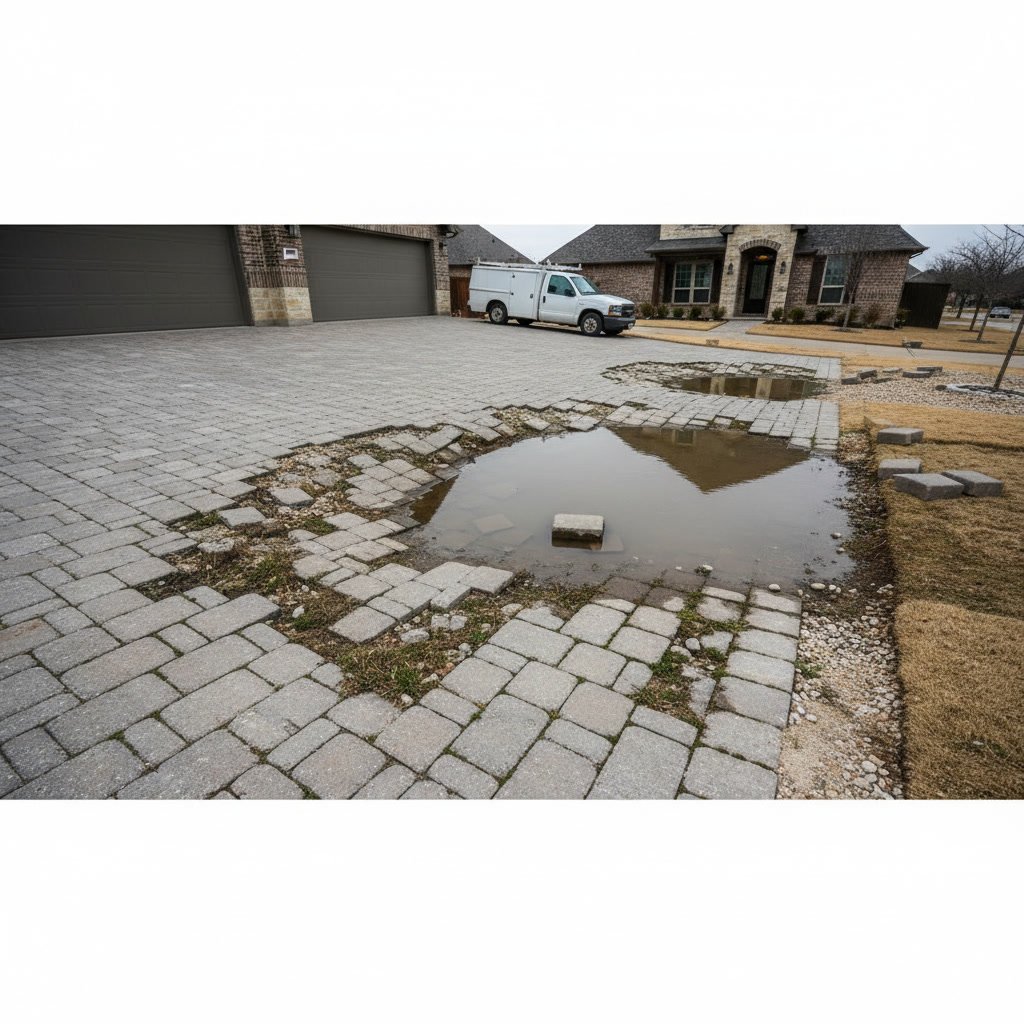
Pavers handle McKinney soil conditions exceptionally well. The joints between units allow slight independent movement, preventing the large cracks that plague solid surfaces. Permeable pavers let water drain through, reducing runoff and puddles.
Maintenance stays simple. Sweep regularly and rinse with a hose. Seal pavers every few years to enhance color and resist stains. If a section settles, lift the pavers, add base material, and reset them. No demolition required.
Disadvantages of Pavers
The premium price puts pavers out of reach for many budgets. Installation labor costs more because laying individual units takes longer than pouring concrete or spreading asphalt.
Weeds and grass grow between pavers if joint sand washes away. Polymeric sand resists erosion better than regular sand but costs more and requires careful installation. Plan to refill joints periodically.
Snow removal becomes trickier. Plow blades can catch on pavers and dislodge them. While McKinney sees minimal snow, the occasional winter storm requires gentler clearing methods than scraping blades across the surface.
Gravel Driveways
Gravel offers the most affordable option for driveway installation McKinney homeowners consider. It works particularly well for long driveways, rural properties, or temporary solutions. Costs range from $1 to $3 per square foot installed, putting a 400-square-foot driveway at just $400 to $1,200.
Proper gravel driveways require three layers. A 4-inch base of large stones provides stability. A 3-inch middle layer of medium gravel adds strength. A 2-inch top layer of smaller pea gravel or crushed stone creates the driving surface. This three-layer system prevents ruts and maintains stability.
Lifespan depends entirely on maintenance. With regular grading and stone replenishment, gravel driveways last indefinitely. Neglected gravel develops potholes, spreads into landscaping, and becomes muddy in rain.
Gravel Advantages
Installation happens quickly with minimal site preparation. Gravel works over almost any base, even poor soil conditions that challenge other materials. You can drive on it immediately after installation.
Gravel naturally drains water. No puddles form after rain. This drainage capability makes gravel ideal for sloped driveways where water runoff concerns exist.
DIY-friendly maintenance keeps costs low. Rent a plate compactor and add fresh gravel every few years. Grade the surface with a rake or box blade to smooth ruts and redistribute material.
Gravel Drawbacks
Loose stones scatter onto lawns and streets. They get tracked into homes on shoes and tire treads. Snow removal pushes gravel aside along with snow, requiring spring cleanup and replacement.
Gravel shifts under vehicle weight, creating ruts and uneven surfaces. Regular grading counteracts this but adds ongoing labor. Weeds grow through gravel unless you install landscape fabric beneath it.
Many neighborhoods prohibit gravel driveways. Check local regulations and HOA rules before choosing this option. Even where allowed, gravel appears less finished than solid surfaces and may not suit upscale properties.
Climate Considerations for McKinney
McKinney’s climate combines hot, dry summers with occasional severe storms and rare winter freezes. Average July temperatures reach 96 degrees. The area receives 40 inches of rain annually, often in intense bursts that test drainage systems.
Clay soil expands when wet and shrinks when dry. This movement stresses rigid driveway materials. Materials with flexibility or the ability to shift independently handle these conditions better.
Concrete performs well if properly reinforced and installed over adequate base material. Wire mesh or rebar adds tensile strength. Expansion joints accommodate movement. Pavers excel because individual units move independently without cracking.
Pro Tip: Schedule concrete pours during mild weather between March and May or September and November. Extreme heat causes rapid drying and increases crack risk. Cold temperatures slow curing and weaken the final product.
Asphalt suffers in McKinney heat. Surface softening leads to impressions and ruts. Choose asphalt only if you commit to regular seal coating and accept a shorter lifespan than concrete or pavers.
Gravel handles temperature extremes without damage. However, heavy rains wash away smaller stones and create erosion channels. Slope gravel driveways to direct water into designated drainage areas.
Cost Comparison and Value
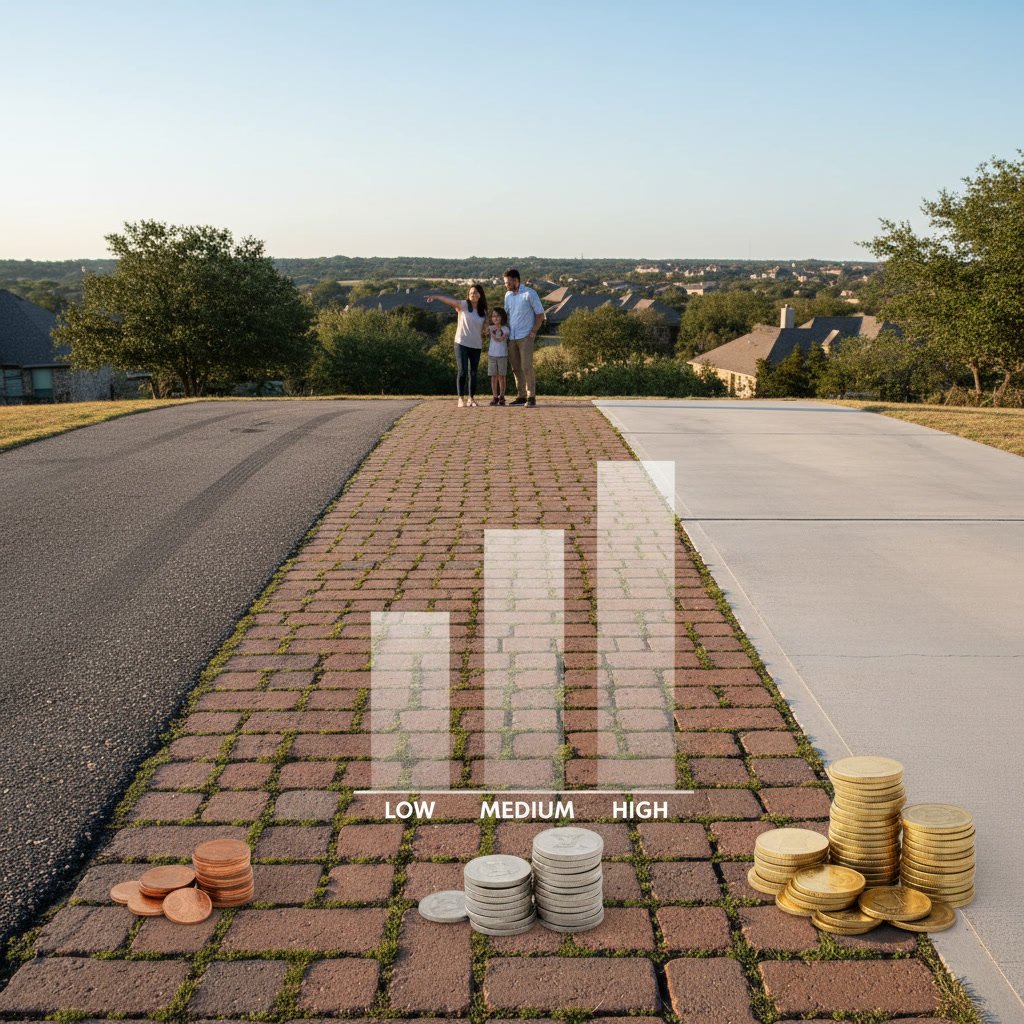
Upfront costs tell only part of the story. Calculate total cost of ownership over the material’s expected lifespan. Include installation, maintenance, repairs, and eventual replacement.
A $3,000 concrete driveway lasting 35 years with $200 every three years for sealing totals $5,330, or $152 annually. A $2,000 asphalt driveway lasting 18 years with $300 seal coating every two years totals $4,700, or $261 annually. The cheaper asphalt actually costs more per year.
Pavers cost significantly more upfront but last longer and need minimal maintenance. An $8,000 paver driveway lasting 40 years with $500 total maintenance costs just $212 annually. That beats asphalt and offers far superior appearance.
Consider property value impact. Attractive, well-maintained driveways boost curb appeal and first impressions. Pavers and decorative concrete add more resale value than basic asphalt. If you plan to sell within ten years, the premium materials may return their investment through higher sale prices.
Geographic factors matter too. Properties in established neighborhoods with high home values justify premium materials. Rental properties or homes in transitional areas benefit more from cost-effective concrete or asphalt.
Installation Best Practices
Quality installation matters more than material choice. Poor workmanship causes premature failure regardless of what you use. Proper site preparation, base construction, and finishing techniques determine how your driveway performs.
Excavation depth depends on soil conditions and material choice. Most driveways need 8 to 12 inches of total depth, including base and surface material. Remove all organic material like roots and topsoil that will decompose and create voids.
Compact the subgrade soil before adding base material. Rent a plate compactor or hire professionals with proper equipment. Loose soil settles over time, causing the driveway to sink and crack.
Base layers provide stability and drainage. Use crushed stone or road base material, not round river rock that shifts under pressure. Compact the base in 2-inch lifts until you reach desired thickness. A solid base prevents settling and extends driveway life.
Grade the driveway away from structures. A 2% slope, or quarter-inch drop per foot, directs water off the surface. Never slope toward your home’s foundation or garage. Plan drainage paths that direct runoff to appropriate areas.
Reinforcement adds strength to concrete. Wire mesh or rebar reduces crack formation. Place reinforcement in the middle third of the slab depth for maximum effectiveness. Fiber additives mixed into concrete provide additional crack resistance.
Choosing the Right Contractor
Material quality means nothing without skilled installation. Interview multiple contractors before committing. Ask for references from recent projects in your area and actually contact them.
Verify licensing, insurance, and bonding. Texas requires contractors to carry liability insurance. Proper coverage protects you from accidents during construction. Bonding ensures financial recourse if the contractor fails to complete work.
Request detailed written estimates breaking down material and labor costs. Compare apples to apples. Low bids often use thinner materials, skip base preparation, or employ inexperienced crews. Extremely low bids raise red flags about corner-cutting.
Check online reviews across multiple platforms. Patterns in feedback reveal contractor strengths and weaknesses. One bad review happens to everyone. Multiple complaints about the same issue indicate real problems.
Ask about warranties. Reputable contractors stand behind their work with written guarantees covering materials and workmanship. Typical warranties run one to five years. Longer warranties suggest confidence in quality.
David Dedia Construction has completed driveway projects throughout McKinney and surrounding communities. Our experience with local soil conditions and climate challenges ensures your driveway performs well for decades. We handle everything from basic concrete installations to custom paver designs.
Maintenance Requirements by Material
Every driveway needs maintenance. Frequency and effort vary by material. Budget time and money for upkeep when making your selection.
Concrete requires the least effort. Sweep regularly to remove debris. Pressure wash annually to remove stains and dirt. Seal every two to three years with quality concrete sealer. Fill small cracks promptly with flexible concrete caulk. Larger cracks need professional repair.
Asphalt demands more attention. Sweep away debris that holds moisture against the surface. Fill cracks as soon as they appear to prevent water penetration. Apply seal coating every two to three years. Avoid sharp objects and heavy equipment that can gouge the softened summer surface.
Pavers need regular sweeping and occasional rinsing. Refill joints with polymeric sand every few years as weathering washes it away. Seal pavers to enhance color and resist stains. Replace individual damaged units rather than patching. Reset settled sections by removing pavers, adding base material, and relaying them.
Gravel requires the most active maintenance. Rake regularly to redistribute stones and maintain even coverage. Add fresh gravel every two to three years to replace material lost to erosion and scattering. Grade the surface to eliminate ruts and maintain proper drainage. Edge annually to prevent spreading into lawns.
Frequently Asked Questions
How long does driveway installation take in McKinney?
Concrete driveways take two to three days for installation and require seven days before driving on them. Asphalt goes down in one to two days and cures in 24 to 48 hours. Paver installation takes three to five days for a standard driveway, with immediate usability. Gravel can be installed and used the same day.
What permits do I need for a new driveway in McKinney?
McKinney requires permits for new driveway construction or significant modifications. The permit ensures work meets city codes for drainage, setbacks, and connection to public streets. Your contractor typically handles permit applications, but verify this during contract negotiations. Permit fees run $50 to $150 depending on project scope.
Can I install a driveway myself to save money?
Gravel driveways are realistic DIY projects for homeowners with basic skills and equipment access. Concrete, asphalt, and paver installation require specialized equipment, experience, and physical labor that make professional installation worthwhile. Poor DIY installation leads to premature failure and costly repairs that exceed money saved.
How do I prevent my driveway from cracking?
Proper base preparation prevents most cracking. Ensure adequate gravel base depth, compact thoroughly, and grade for drainage. Use control joints in concrete every 8 to 10 feet. Seal surfaces regularly to prevent water penetration. Avoid de-icing salts that damage concrete. Address small cracks immediately before they expand.
What color options work best for McKinney driveways?
Light colors reflect heat and stay cooler but show stains more readily. Gray and tan tones offer practical middle ground. Earth tones like brown and beige complement most home exteriors. Very dark colors absorb excessive heat in summer. Consider your home’s color scheme and surrounding landscape when selecting driveway colors.
Making Your Decision
The best material for your driveway depends on budget, aesthetic preferences, maintenance willingness, and property characteristics. Concrete offers the best balance of cost, durability, and low maintenance for most McKinney homes. Pavers deliver unmatched beauty and flexibility for homeowners prioritizing curb appeal. Asphalt works for tight budgets when you commit to regular maintenance. Gravel suits long driveways, rural properties, or temporary needs.
Consider total cost over the driveway’s lifespan, not just installation price. Factor in your plans for the property. Upgrading before selling boosts value. Installing for long-term ownership justifies premium materials. Match the driveway quality to neighborhood standards and your home’s overall condition.
Climate compatibility matters in North Texas. Materials that handle heat, clay soil, and occasional severe weather perform better and last longer. Work with contractors experienced in local conditions who understand proper installation techniques for McKinney’s environment.
David Dedia Construction provides professional driveway installation McKinney residents trust for quality and reliability. We’ll assess your property, discuss material options, and recommend solutions that fit your budget and goals. Our team handles complete installation from excavation through final finishing. We also offer comprehensive remodeling services if you’re planning additional home improvements. Contact us at +12149459120 to schedule a consultation and receive a detailed estimate for your driveway project.