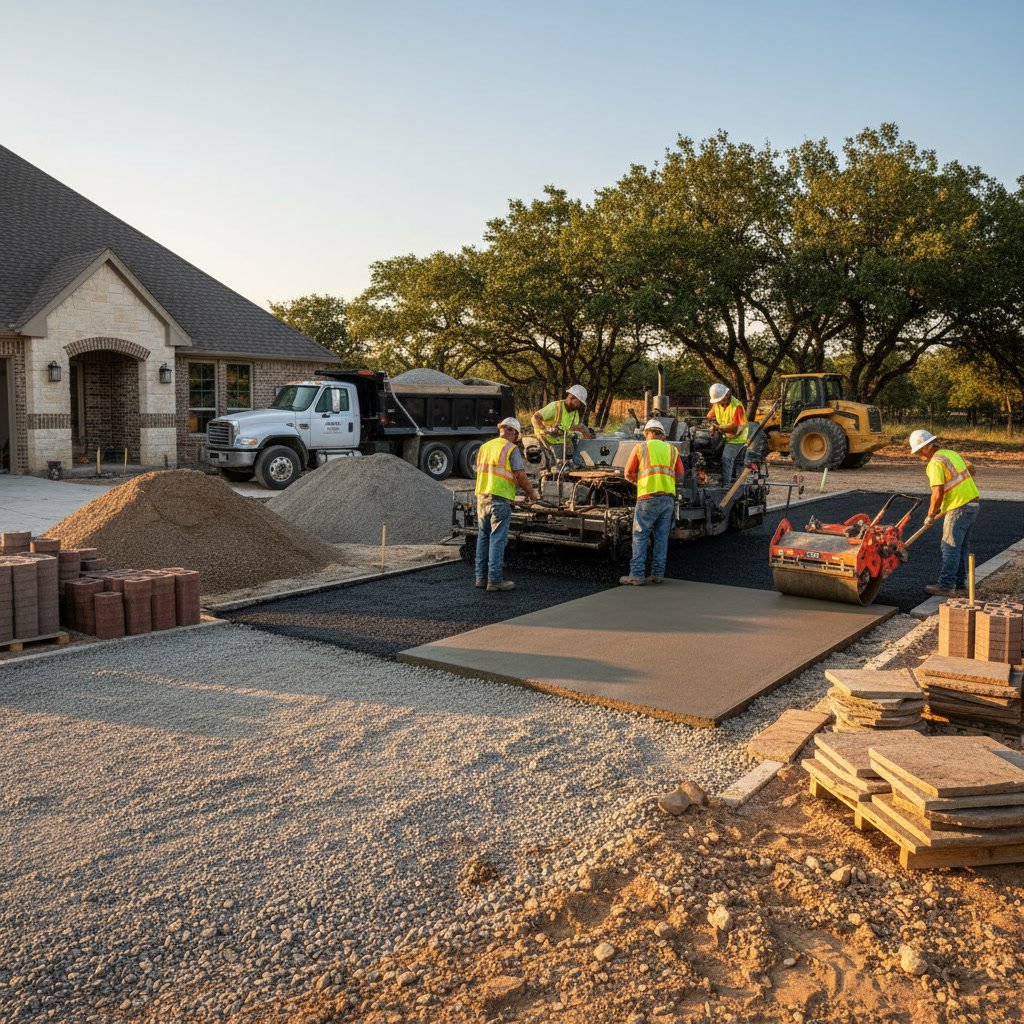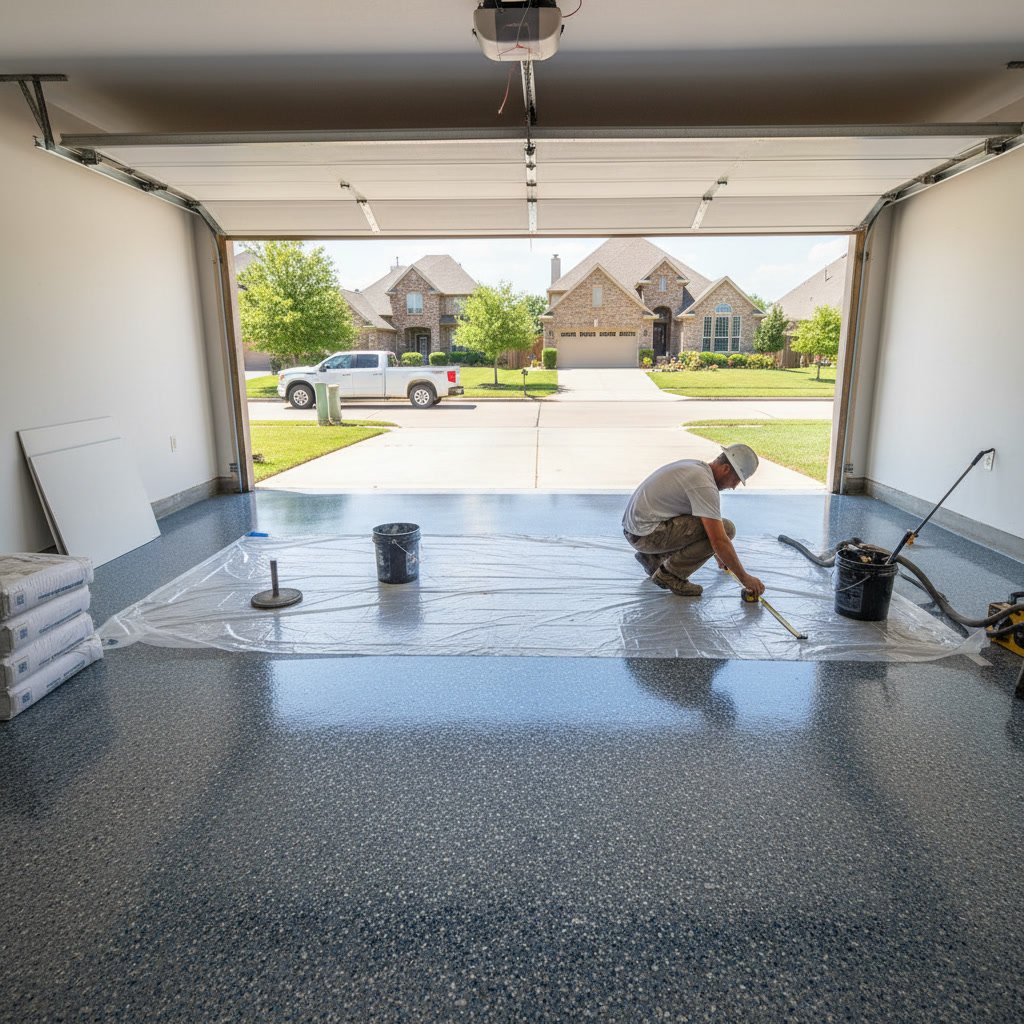

The construction services process follows a structured path that begins with an initial consultation and concludes with a final inspection. Most residential projects move through seven distinct phases: consultation, design and planning, permitting, preparation, construction, finishing touches, and final walkthrough. Understanding each phase helps homeowners anticipate what comes next and ensures smooth communication with contractors throughout the project timeline.
Why Understanding Your Project Timeline Matters
Homeowners who grasp the full scope of their project from the outset make better decisions at every stage. When you know what to expect during demolition, framing, electrical work, and finishing, you can plan your daily life around the work schedule. This knowledge reduces stress and prevents misunderstandings about when spaces will be usable again.
Clear expectations also help you budget more effectively. Each phase carries specific costs, and understanding when payments typically occur allows you to manage cash flow. Many homeowners discover that timing certain decisions, such as fixture selection or paint choices, at the right phase can actually save money and prevent delays.
The Initial Consultation Sets the Foundation
Your first meeting with a contractor establishes the project scope and builds the working relationship. During this phase, you discuss your vision, functional needs, budget parameters, and timeline preferences. A thorough contractor asks detailed questions about how you use your spaces, what problems you want to solve, and which features matter most to you.

Professional contractors visit your property to assess existing conditions. They measure spaces, evaluate structural elements, check for potential issues like water damage or outdated electrical systems, and photograph current conditions. This assessment informs accurate estimates and helps identify challenges before they become expensive surprises during construction.
The consultation concludes with a preliminary estimate and project approach. Quality contractors provide written documentation that outlines the scope, approximate costs, and realistic timelines. This document becomes the foundation for the detailed contract that follows.
Design and Planning Bring Your Vision to Life
Once you agree to move forward, the planning phase begins. This stage involves creating detailed drawings, selecting materials, and finalizing specifications. For major projects like house remodeling, this phase might include architectural drawings or engineered plans.
Material selection happens during this window. You choose flooring, countertops, cabinets, fixtures, paint colors, and finishes. Making these decisions early prevents construction delays later. Many contractors provide samples and visit showrooms with clients to ensure selections meet both aesthetic and budget requirements.
The planning phase also includes creating a detailed work schedule. Contractors coordinate subcontractor availability, order long-lead items, and establish milestone dates. This schedule accounts for inspection requirements and builds in buffer time for unexpected discoveries.
Permitting and Approvals Ensure Code Compliance
Most substantial construction services require permits from local building departments. Your contractor typically handles permit applications, submitting plans and specifications that demonstrate code compliance. Permit approval times vary by jurisdiction and project complexity, ranging from a few days to several weeks.
Permit requirements differ significantly between cities. Projects in Plano, TX might have different specifications than similar work in neighboring communities. Experienced contractors know local requirements and maintain relationships with building inspectors, which can smooth the approval process.
Some projects also require homeowner association approval. If your property falls under HOA jurisdiction, your contractor should submit required documentation showing exterior changes comply with community standards. This step must occur before work begins to avoid costly reversal of completed work.
Site Preparation and Protection in Allen
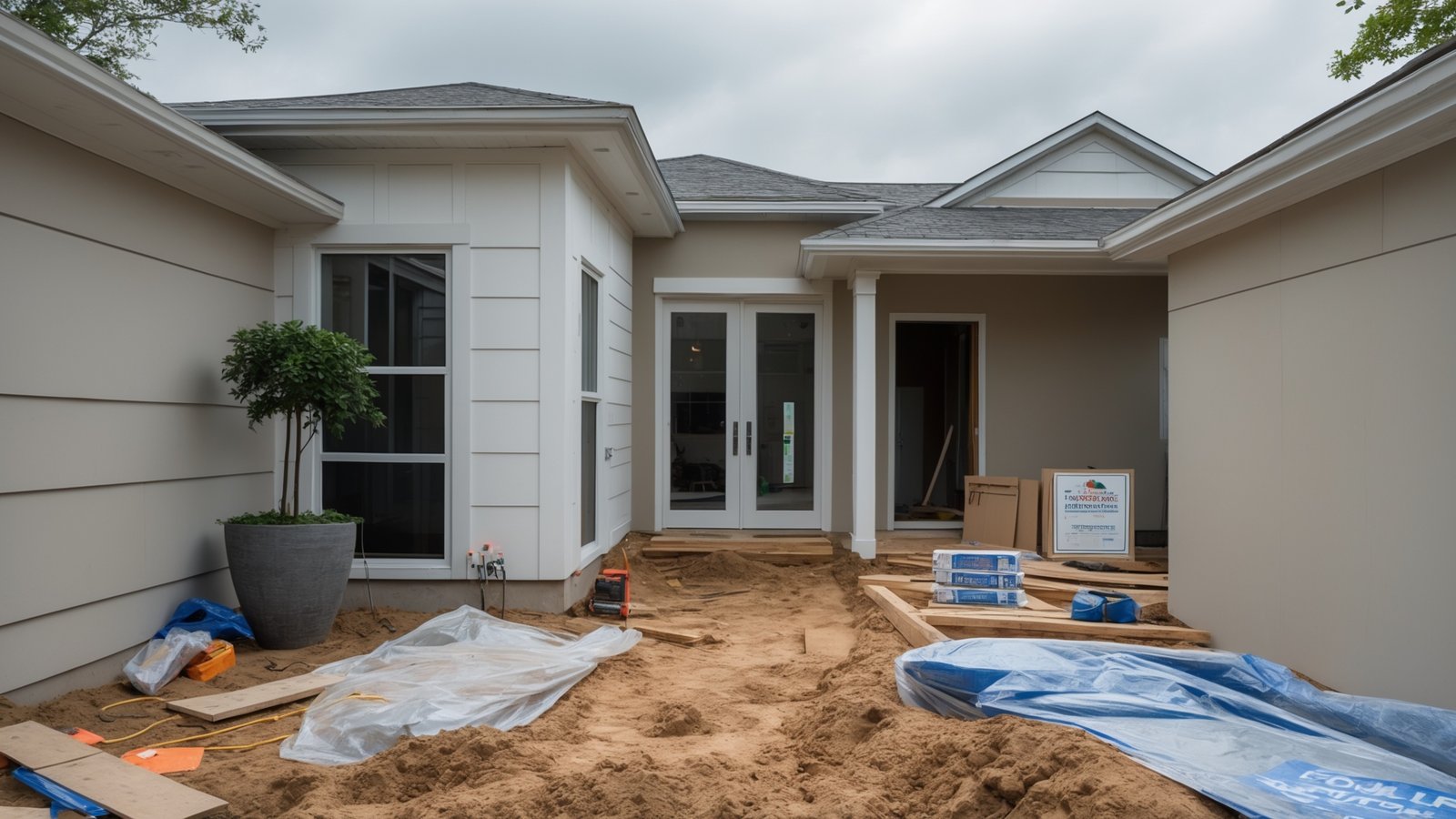
Before demolition or construction begins, contractors prepare the work area and protect your home. This involves establishing workspace boundaries, covering floors and furniture in adjacent areas, and setting up dust barriers. Exterior projects require different preparations, such as protecting landscaping and establishing material staging areas.
Preparation also includes arranging for dumpsters, portable toilets if needed, and utility connections for power tools. Contractors coordinate these logistics to ensure crews have what they need without disrupting your property more than necessary. Professional teams in Allen take extra care to minimize impact on neighbors, particularly in established residential areas.
For interior projects, contractors often create temporary barriers using plastic sheeting and zipper doors. This containment reduces dust migration throughout your home. High-quality teams use HEPA filtration when working with materials that generate fine particles.
Step-by-Step Construction Phase Breakdown
The construction phase follows a logical sequence that varies by project type but generally includes these steps:
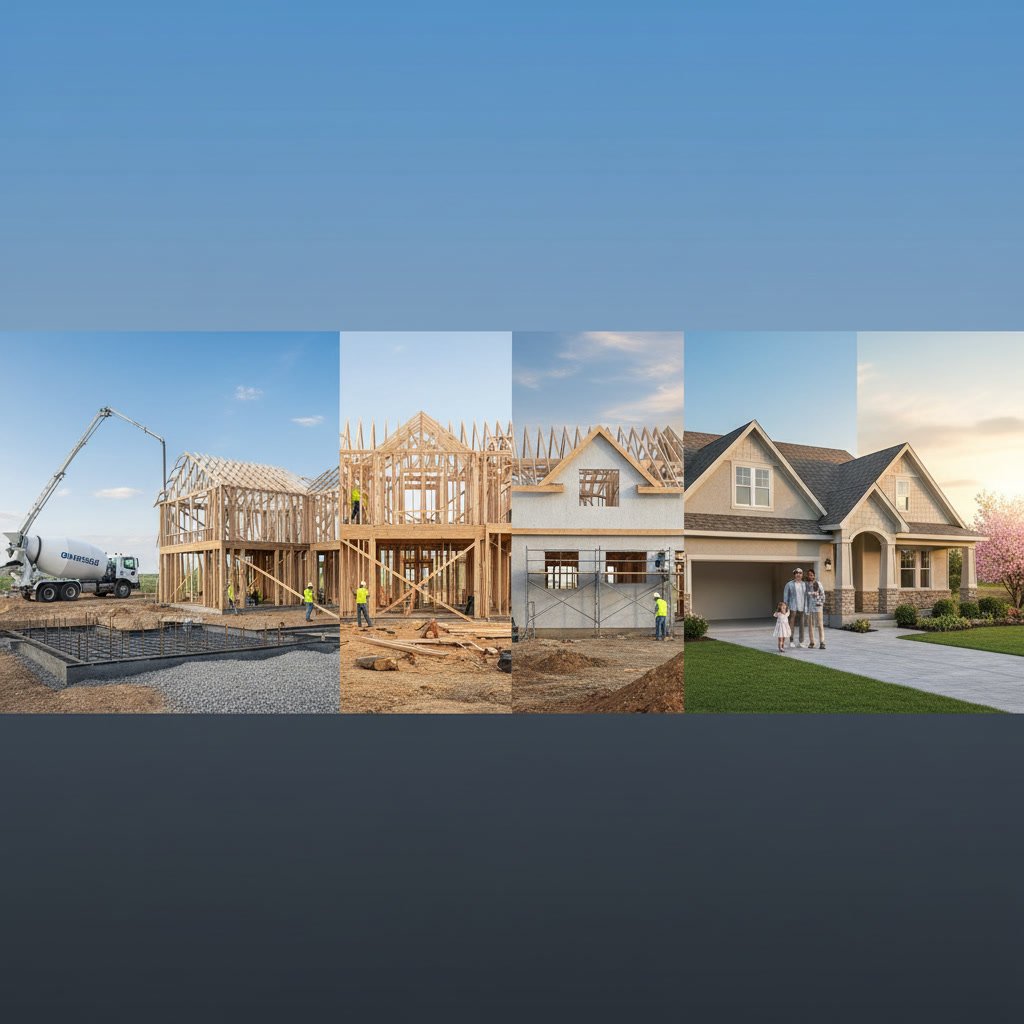
Demolition and removal: Crews remove existing fixtures, finishes, and sometimes structural elements. Proper demolition protects elements that remain and disposes of debris responsibly. This phase often reveals hidden conditions that require plan adjustments.
Rough framing and structural work: Carpenters build or modify walls, install beams, and create the structural skeleton. This work must pass inspection before moving forward. Framing establishes room dimensions and door or window locations.
Mechanical rough-ins: Plumbers, electricians, and HVAC technicians install pipes, wires, and ducts within walls and floors. This work also requires inspection. Proper rough-in work prevents callbacks and ensures systems function correctly for decades.
Insulation and drywall: Once mechanicals pass inspection, insulation goes in and drywall covers walls and ceilings. Drywall finishing involves multiple coats of joint compound, sanding between coats. This phase transforms the space from a construction zone into recognizable rooms.
Interior finishes: Trim carpenters install baseboards, door casings, and crown molding. Flooring goes in, followed by cabinet installation. Painters complete their work after trim but before final fixtures. The sequence matters because each trade builds on the previous one’s work.
Fixture and hardware installation: Final plumbing fixtures, light fixtures, outlet covers, door hardware, and appliances go in during this phase. These finishing touches bring the project to completion and make spaces functional.
Quality Control and Inspection Checkpoints
Professional contractors build quality checks into every phase. Internal inspections happen before calling for official building department inspections. This two-layer approach catches issues early when corrections cost less and cause fewer delays.
Building inspectors verify that work meets code requirements at specific milestones. Typical inspection points include foundation or slab work, framing, mechanical rough-ins, insulation, and final completion. Each inspection must pass before the next phase begins. Failed inspections require corrections and re-inspection, which delays the project.
Smart contractors photograph inspection-approved work before covering it. These photos provide documentation if questions arise later and help future contractors understand what exists behind walls. This practice demonstrates professionalism and protects both contractor and homeowner.
Managing Changes and Unexpected Discoveries
Even well-planned projects encounter surprises. Opening walls might reveal outdated wiring, hidden water damage, or structural issues that require attention. Professional contractors document these discoveries, explain the implications, and provide change order estimates before proceeding with additional work.
Change orders are formal documents that modify the original contract. They specify the additional work, associated costs, and impact on the timeline. Both parties sign change orders before work proceeds. This process protects everyone by maintaining clear agreements throughout the project.
Homeowners sometimes request changes as the project progresses. Seeing spaces take shape often sparks new ideas. While contractors can usually accommodate reasonable changes, modifications typically cost more and take longer than if included in original plans. The earlier you finalize decisions, the more efficiently the project proceeds.
Communication Protocols Throughout Your Project
Consistent communication prevents most project problems. Established contractors set regular check-in schedules, whether daily, weekly, or at milestone completions. These touchpoints allow you to ask questions, review progress, and address concerns before they grow into larger issues.

Many contractors now use project management software or apps that share schedules, photos, and documents. These tools create transparency and keep everyone informed in real time. You can see what crews accomplished each day and what comes next.
Clear communication also means honest conversations about challenges. When weather delays exterior work or a supplier ships the wrong materials, good contractors inform you immediately and explain how they will adjust the schedule. This transparency builds trust and prevents unpleasant surprises.
The Final Walkthrough and Project Closeout
As work nears completion, contractors perform their own punch list inspection, identifying minor items that need attention before calling the project complete. This internal review ensures the final walkthrough focuses on your satisfaction rather than obvious deficiencies.
The final walkthrough involves you and the contractor walking through completed spaces together. You verify that all work matches specifications, fixtures function properly, and finishes meet quality standards. This is the time to identify any concerns. Reputable contractors address punch list items promptly.
Project closeout includes transferring warranties, providing maintenance instructions, delivering spare materials like extra tiles or paint, and obtaining final building department sign-off. You receive documentation showing the project passed all inspections and meets code requirements. This paperwork matters for future resale and refinancing.
Your Next Steps Toward a Successful Project
Understanding how projects unfold from consultation to completion helps you make informed decisions and maintain realistic expectations. Each phase builds on the previous one, and shortcuts at any stage create problems later. Working with experienced professionals who follow established processes protects your investment and delivers results that last for decades.
Projects like bathroom renovations or kitchen remodels follow this same general path, though timelines and specific steps vary by scope. If you are researching costs for specific projects, you may find our detailed breakdowns on kitchen remodel pricing or bathroom renovation costs helpful for budget planning.
David Dedia Construction brings years of experience guiding homeowners through every phase of residential projects across the North Texas area. Whether you are planning a single room update or a complete home transformation, the team provides detailed estimates, transparent communication, and quality craftsmanship from start to finish. Reach out to discuss your project vision and receive a comprehensive consultation by calling +12149459120.