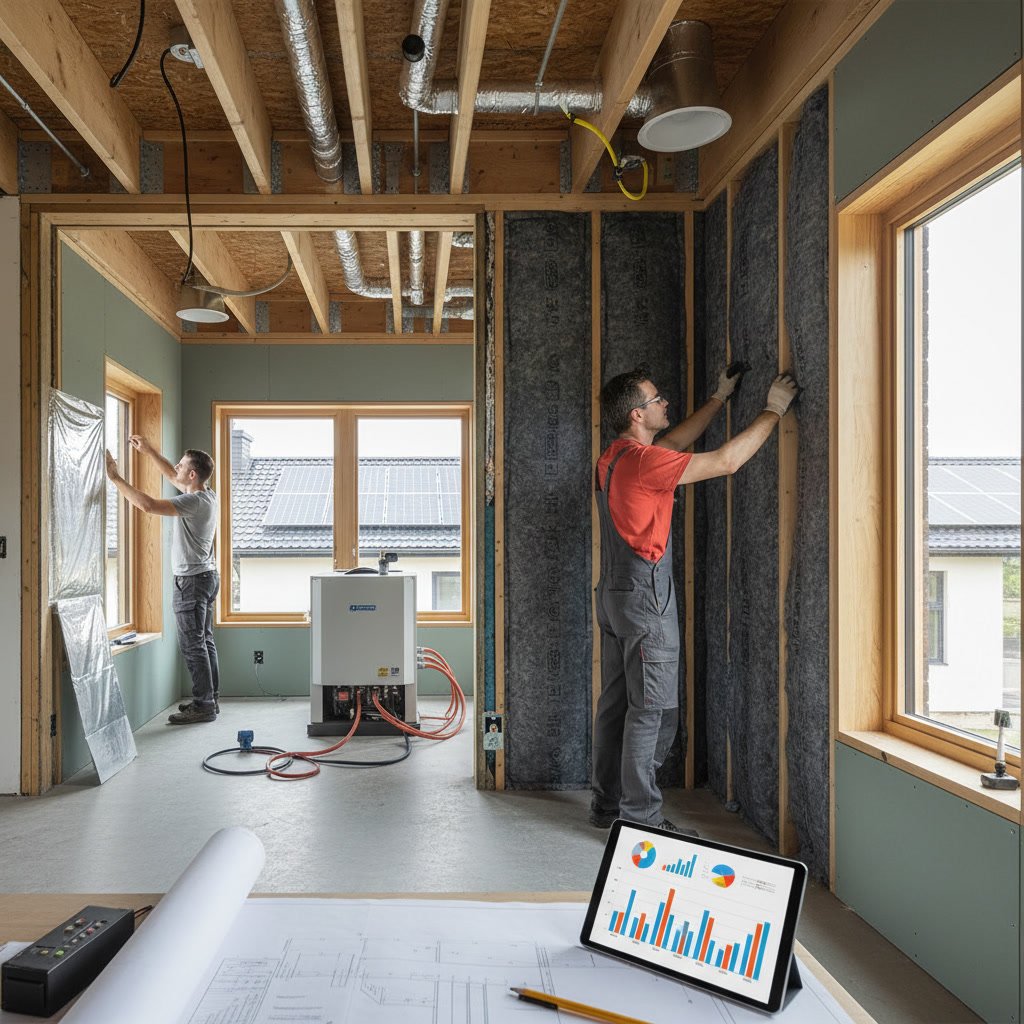
Indoor remodeling energy efficiency improvements can reduce household utility bills by 20 to 40 percent while enhancing comfort year-round. Strategic upgrades during kitchen, bathroom, or whole-home projects create opportunities to address insulation gaps, air leaks, outdated HVAC systems, and inefficient windows that drive up heating and cooling costs. Every renovation decision, from window placement to insulation depth, directly affects how much energy your home consumes and how much you pay each month.
The Hidden Energy Costs in Older Homes
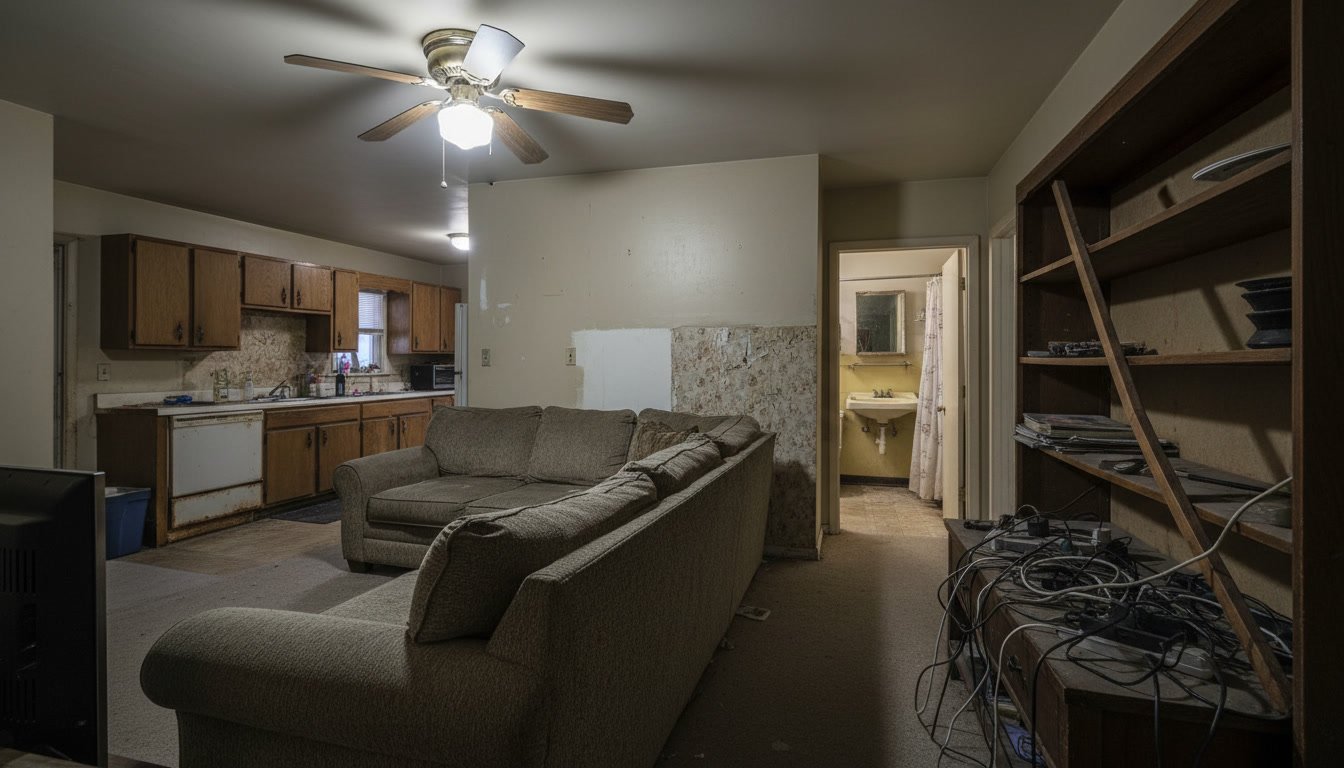
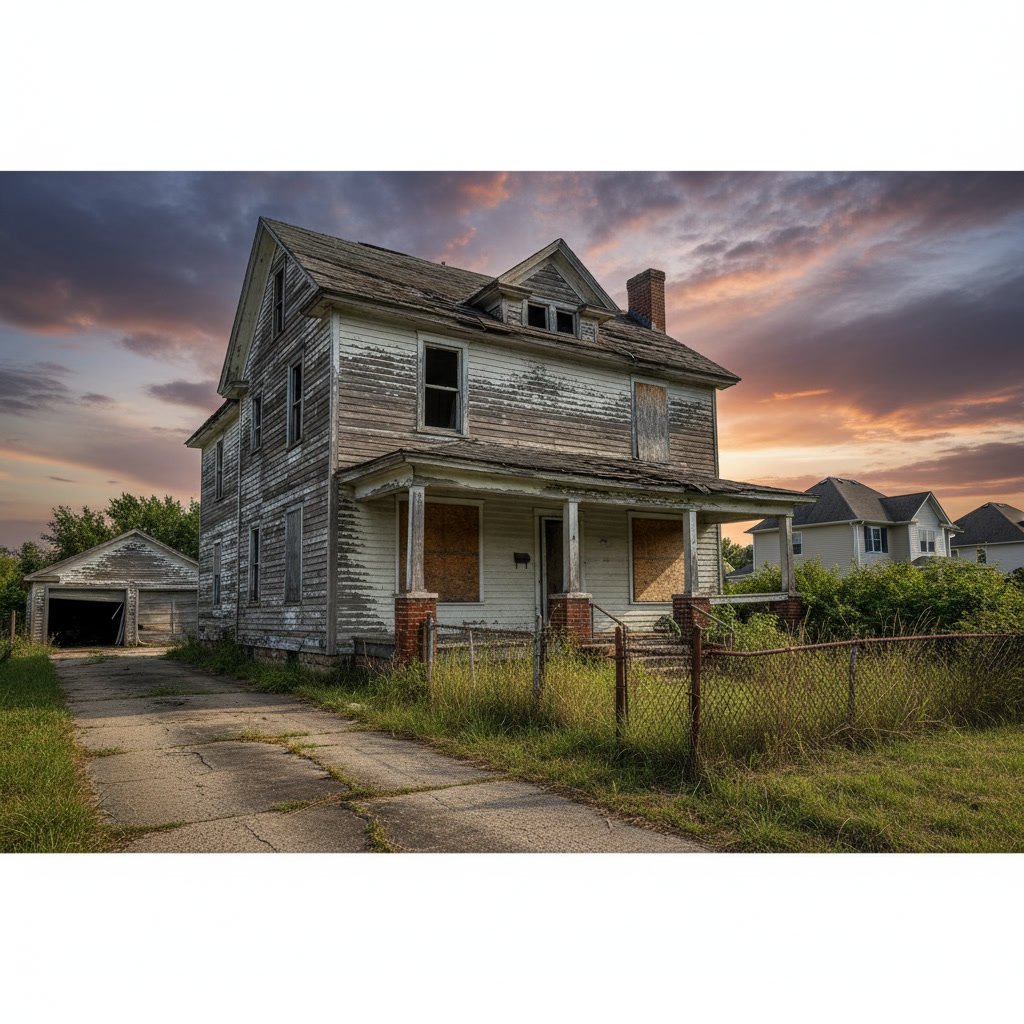
Most homes built before 2000 contain construction practices and materials that fall short of modern energy standards. Wall cavities often lack sufficient insulation, ductwork leaks conditioned air into attics and crawl spaces, and single-pane windows act as thermal weak points. These deficiencies force heating and cooling systems to run longer cycles, consuming excess electricity and natural gas while struggling to maintain stable indoor temperatures.
Identifying these inefficiencies before starting a remodel saves money and prevents missed opportunities. A thermal imaging scan reveals exactly where heat escapes in winter or enters during summer months, guiding material choices and construction sequencing. When you plan indoor services with energy performance in mind, the return on investment extends far beyond aesthetics.
Why Remodeling Timing Matters for Energy Upgrades
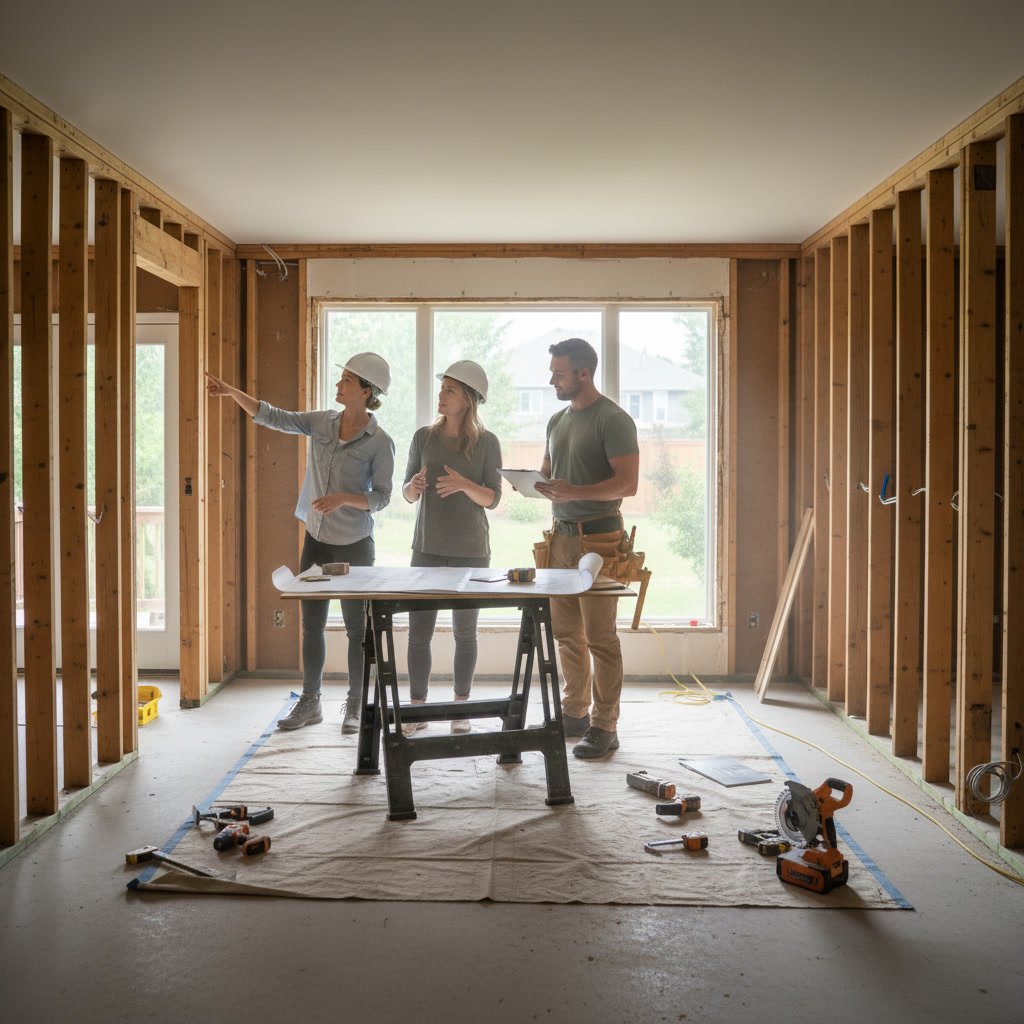
Open walls and ceilings during active construction provide the only practical window to upgrade insulation, seal air leaks, and reroute ductwork. Once drywall closes, these systems become inaccessible without additional demolition. Coordinating energy improvements with scheduled remodeling work eliminates redundant labor costs and maximizes the value of every construction dollar spent.
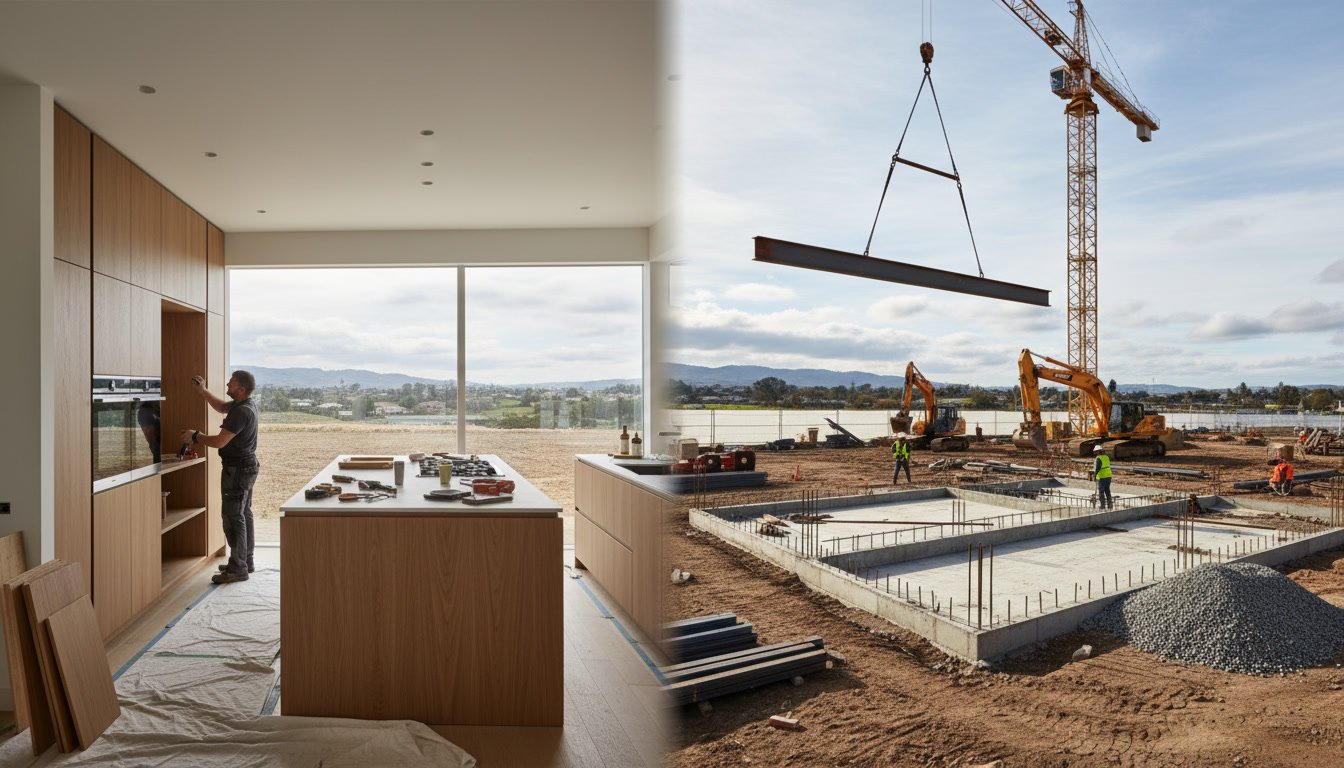
Professional contractors layer energy-saving measures into the natural workflow. Electricians install LED-compatible fixtures while walls stand open, plumbers route hot water lines through insulated chases to reduce heat loss, and framers add blocking for future solar panel anchors. This integrated approach transforms standard renovations into comprehensive efficiency upgrades without extending project timelines.
Insulation Upgrades That Pay Immediate Dividends
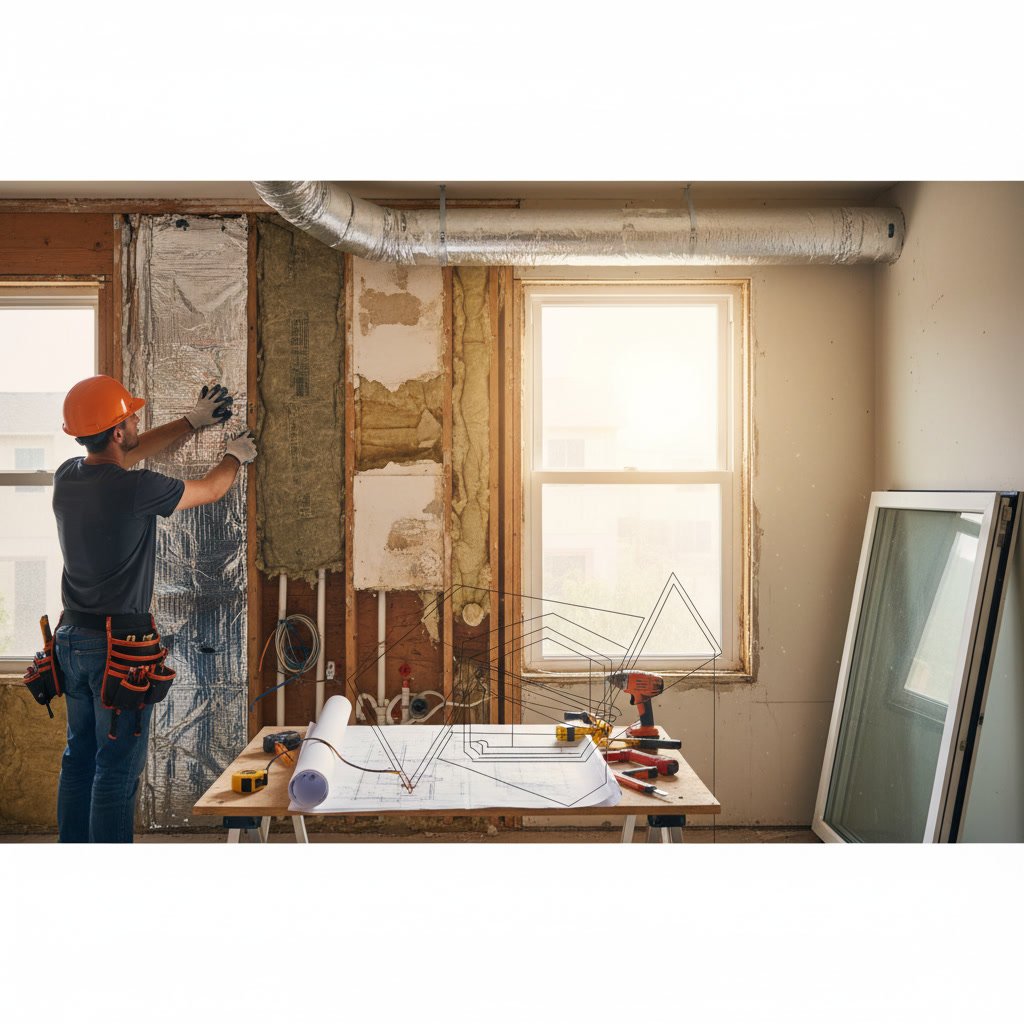
Adding blown-in cellulose or spray foam insulation to exterior walls and attic floors delivers one of the fastest returns among all energy investments. Upgrading from R-13 fiberglass batts to R-21 closed-cell foam in wall cavities can cut heat transfer by 60 percent, translating to monthly savings that compound over years. Attic insulation upgrades to R-49 or R-60 create thermal barriers that keep conditioned air where it belongs.
The Department of Energy estimates that proper insulation and air sealing can reduce heating and cooling costs by up to 20 percent in climate zones similar to north Texas. Homeowners in Frisco, TX frequently see summer cooling bills drop 15 to 25 percent after comprehensive attic and wall insulation improvements during whole-home projects.
Window and Door Replacements for Thermal Control
Windows account for 25 to 30 percent of residential heating and cooling energy use, making them critical focal points during remodeling projects. Replacing single-pane units with double-pane low-E glass reduces solar heat gain in summer while retaining warmth during winter. Argon or krypton gas fills between panes add another layer of insulation, and properly sealed frames eliminate drafts that force HVAC systems to overwork.
Door upgrades deliver similar benefits. Solid-core exterior doors with compression weatherstripping and insulated cores prevent air exchange at entry points. Installing new thresholds with integrated seals closes gaps that develop as homes settle over decades. These targeted improvements compound when coordinated with broader house remodeling efforts.
Kitchen and Bathroom Fixtures That Lower Water Heating Costs
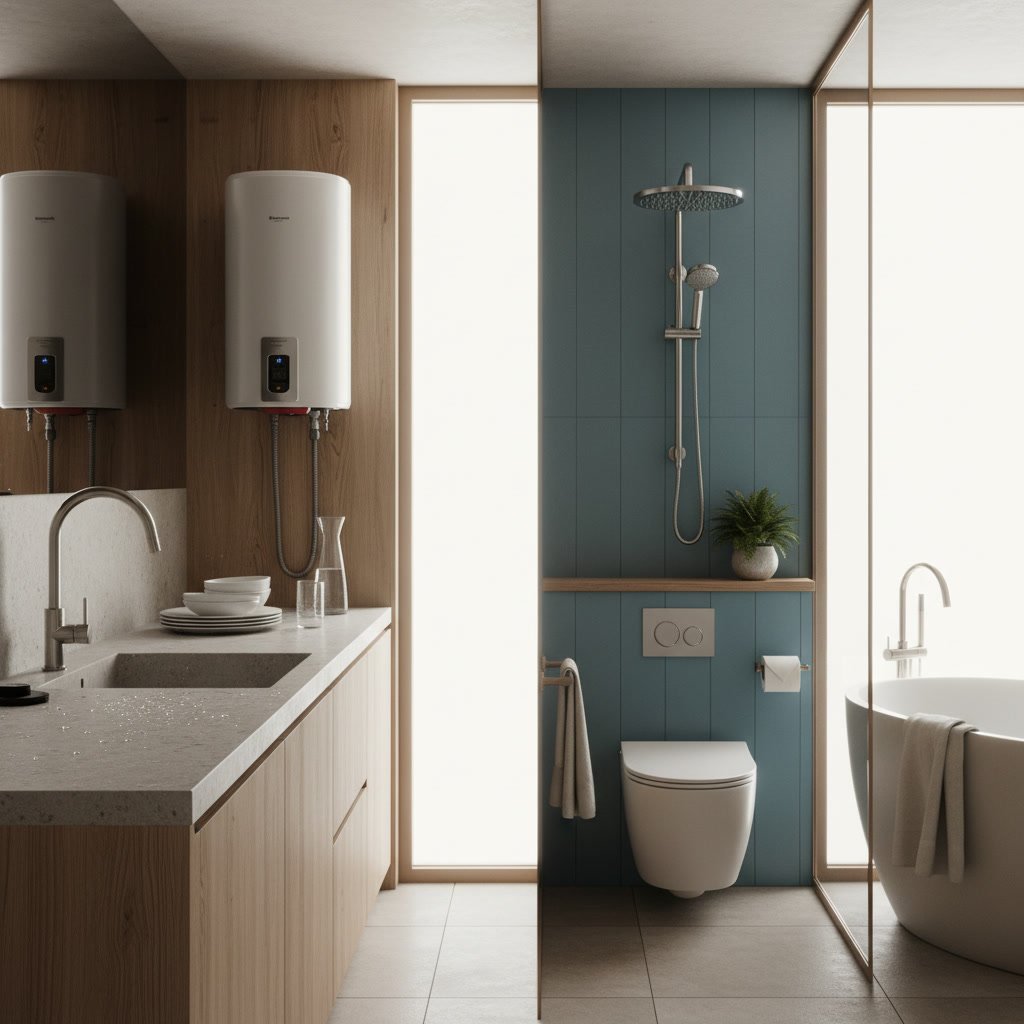
Water heating represents roughly 18 percent of total home energy consumption, and kitchen and bathroom renovations offer perfect opportunities to install efficiency-focused fixtures. Low-flow faucets and showerheads maintain water pressure while reducing flow rates from 2.5 gallons per minute to 1.5 or even 1.2 gallons per minute. Over a year, this simple swap can save thousands of gallons of hot water and the energy required to heat it.
Tankless water heaters installed during kitchens or bathroom remodels eliminate standby heat loss from traditional tank systems. On-demand heating delivers hot water only when needed, reducing energy consumption by 24 to 34 percent for homes that use 41 gallons or less of hot water daily. Point-of-use units serve individual sinks or showers, cutting wait times and water waste.
HVAC System Optimization During Indoor Renovations
Ductwork modifications during remodeling projects address one of the most overlooked energy drains in residential construction. Sealing duct joints with mastic and metal-backed tape prevents up to 30 percent of conditioned air from escaping into unconditioned spaces. Insulating ducts that run through attics or exterior walls maintains air temperature from the air handler to the register, reducing the load on heating and cooling equipment.
Right-sizing HVAC equipment to match actual heating and cooling loads after insulation and air sealing upgrades prevents energy waste from oversized systems. A Manual J load calculation determines precise capacity needs, often revealing that a smaller, more efficient unit can handle the reduced demand. Variable-speed air handlers and high-SEER condensers further reduce operating costs while improving comfort through better humidity control and temperature consistency.
Lighting and Electrical Upgrades for Lower Consumption
Switching to LED lighting throughout remodeled spaces cuts lighting energy use by 75 percent compared to incandescent bulbs and 50 percent compared to compact fluorescents. LEDs generate less heat, reducing cooling loads during summer months. Installing dimmer switches and occupancy sensors adds another layer of savings by eliminating unnecessary runtime in unoccupied rooms.
Dedicated circuits for high-draw appliances prevent voltage drops that force motors to work harder and consume more power. Whole-home surge protection extends appliance lifespans by preventing damage from electrical spikes. These infrastructure improvements rarely happen outside of remodeling projects, making renovations the ideal time to modernize electrical systems for efficiency and safety.
Air Sealing Techniques That Stop Energy Leaks
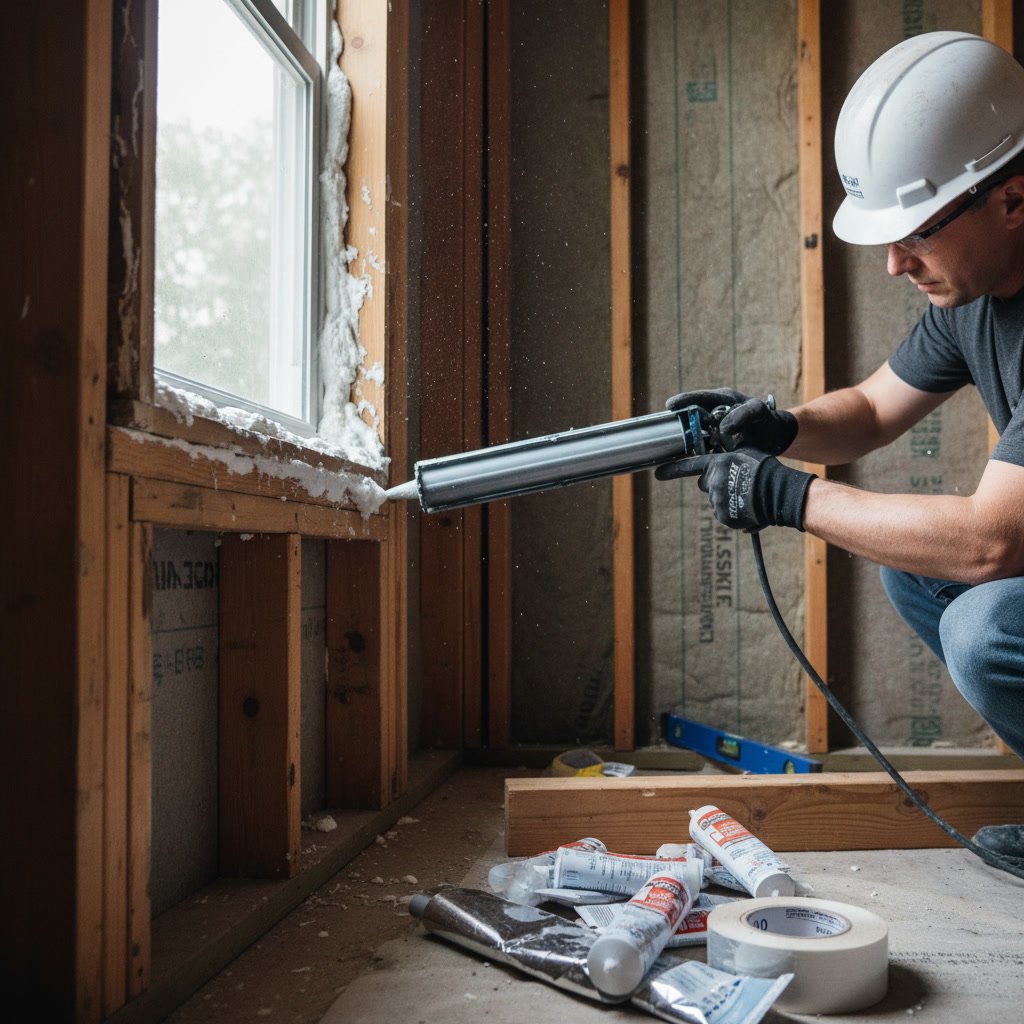
Air leakage through gaps in building envelopes forces HVAC systems to compensate for continuous heat exchange with outdoor air. Sealing penetrations where plumbing, electrical, and HVAC lines pass through walls and ceilings stops this invisible energy drain. Spray foam or caulk applied to rim joists, top plates, and bottom plates creates continuous air barriers that dramatically improve system efficiency.
Blower door tests quantify air leakage before and after sealing work, measuring how many air changes per hour occur under controlled pressure. Professional contractors target a result of three to five air changes per hour at 50 pascals of pressure, a level that balances efficiency with healthy ventilation. This diagnostic approach ensures that air sealing efforts focus on the most impactful locations rather than guesswork.
Smart Home Integration for Energy Management
Programmable and smart thermostats installed during renovations reduce heating and cooling costs by 10 to 23 percent through automatic temperature adjustments based on occupancy patterns. Learning thermostats adapt to household schedules, reducing runtime when no one is home and preconditioning spaces before occupants return. Remote access through smartphone apps prevents energy waste from forgotten thermostat adjustments.
Smart lighting systems, motorized window shades, and automated ventilation fans add layers of control that optimize energy use throughout the day. Integrating these technologies during construction hides wiring and control modules within walls for clean installations. The convenience of centralized control encourages consistent energy-saving behaviors that compound over months and years.
Indoor Remodeling Cost Savings for Allen Homeowners
Homeowners in Allen, TX face summer cooling demands that drive utility bills to peak levels from June through September. Strategic indoor renovations that improve insulation, air sealing, and HVAC efficiency can reduce summer electric bills by 100 to 200 dollars per month in homes over 2,000 square feet. Winter heating improvements deliver smaller but still meaningful savings during the milder cold season.
The cumulative impact of multiple energy upgrades exceeds the sum of individual improvements. Combining attic insulation, window replacement, duct sealing, and HVAC optimization creates synergistic effects where each upgrade enhances the performance of the others. Many homeowners recover the incremental cost of energy-focused remodeling within five to seven years through utility savings alone, while enjoying improved comfort immediately.
Building a More Efficient Home Through Thoughtful Remodeling
Energy-conscious indoor remodeling transforms homes into lower-cost, higher-comfort living environments while reducing environmental impact. Every insulation upgrade, window replacement, and HVAC improvement compounds over time, delivering returns that extend decades beyond initial installation. The key lies in treating remodeling projects as opportunities to address energy performance holistically rather than focusing solely on cosmetic updates.
David Dedia Construction integrates energy efficiency improvements into every remodeling services project, helping homeowners maximize comfort while minimizing long-term operating costs. Our team coordinates insulation, air sealing, window, and HVAC upgrades within standard remodeling workflows to deliver comprehensive performance improvements without extending timelines or inflating budgets.
If you are ready to reduce utility bills and improve home comfort through strategic indoor renovations, David Dedia Construction provides the expertise and craftsmanship to make it happen. Contact our team at +12149459120 to schedule a consultation and discover how energy-focused remodeling can transform your home.